Welcome to Anna’s Diary
On life, health and nature
-
Back in Europe
The taxi driver who brought me to the airport in Sri Lanka mentioned that he plans to move to Romania in 2027 to work as a taxi driver there. He is so looking forward to moving to Europe, while I shared how much I enjoyed being in Asia—something he seemed to find hard to grasp. For an hour and a half, the driver played German, yodeling Alpine folk music.
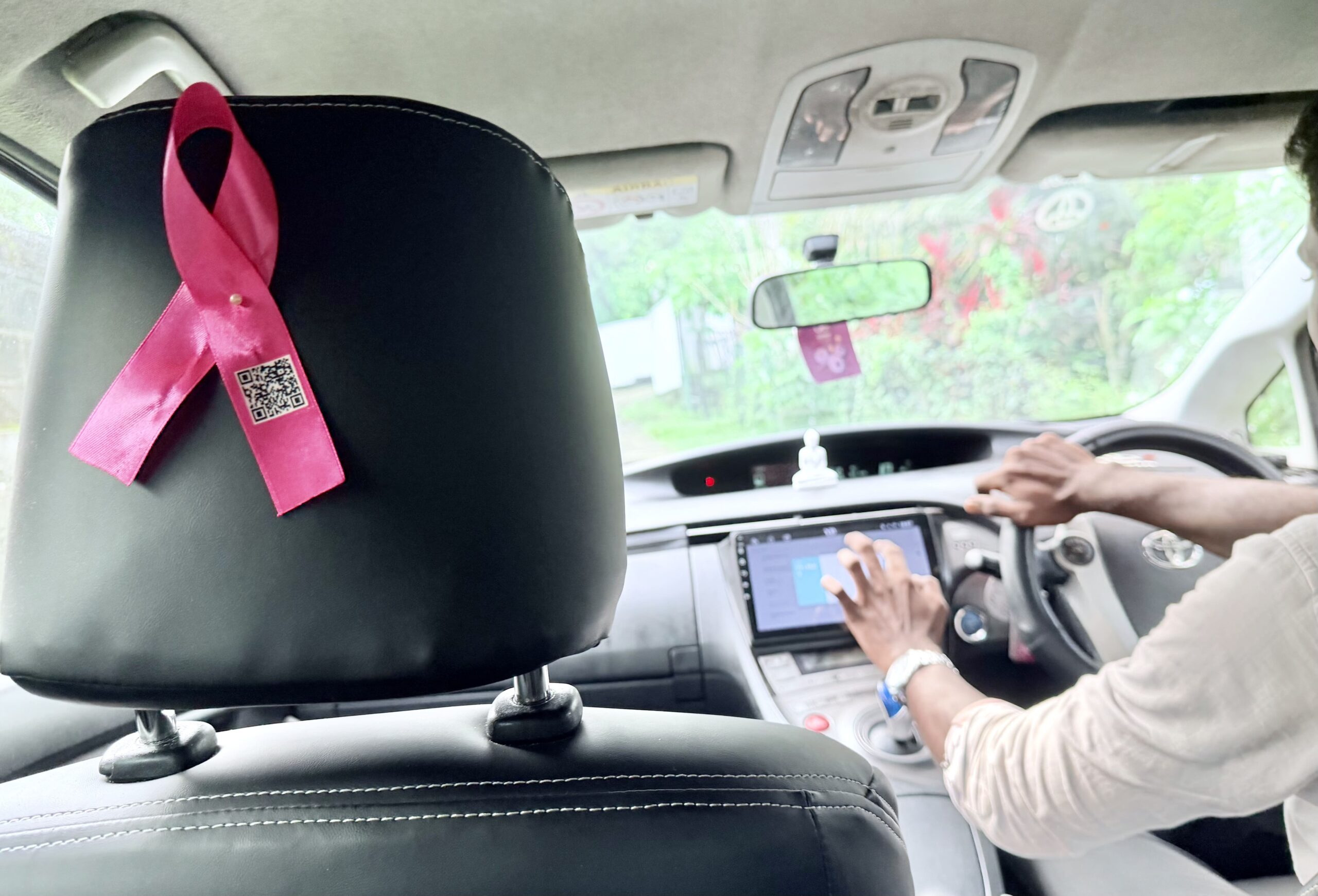
It was touching to be reminded of the “pink ribbon” (symbolizing breast cancer awareness) in the taxi. I am in daily contact with a friend who has gone through grueling chemotherapy and is now struggling to process what happened. Everything moved so quickly from diagnosis to treatment.
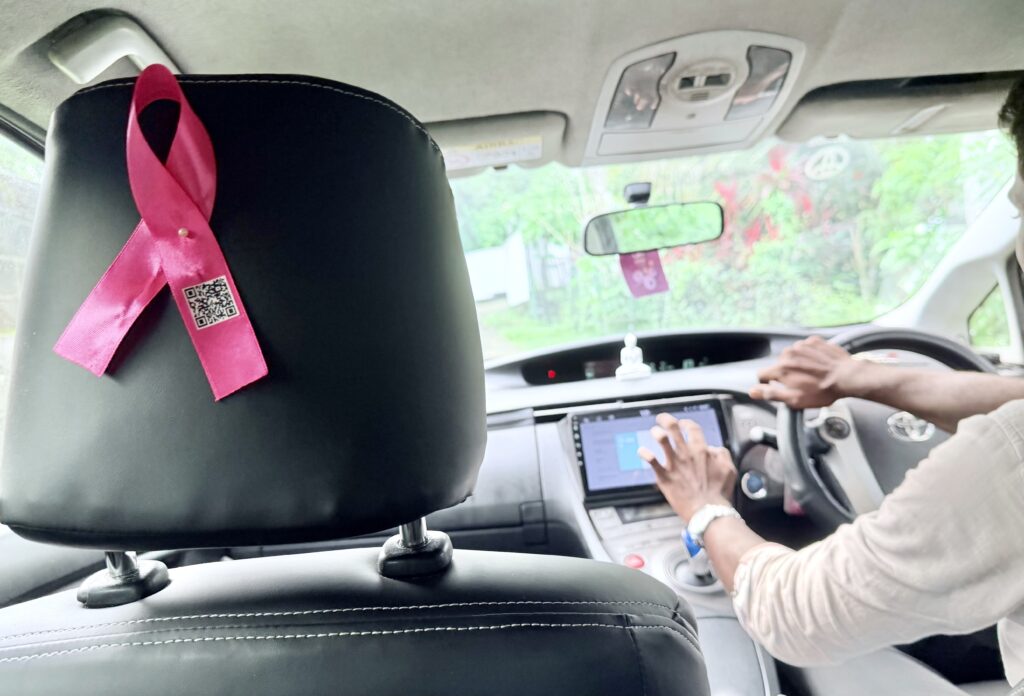
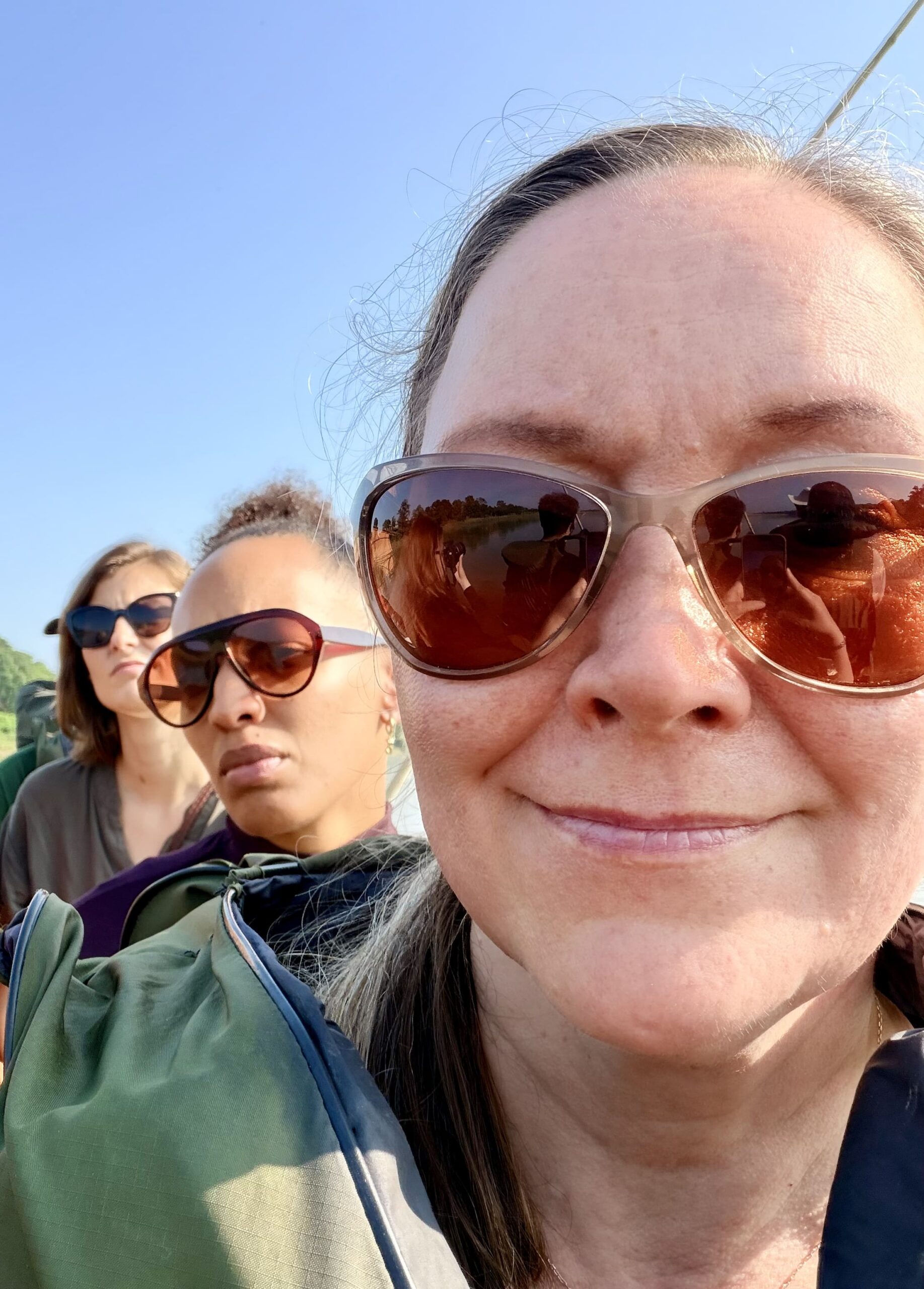
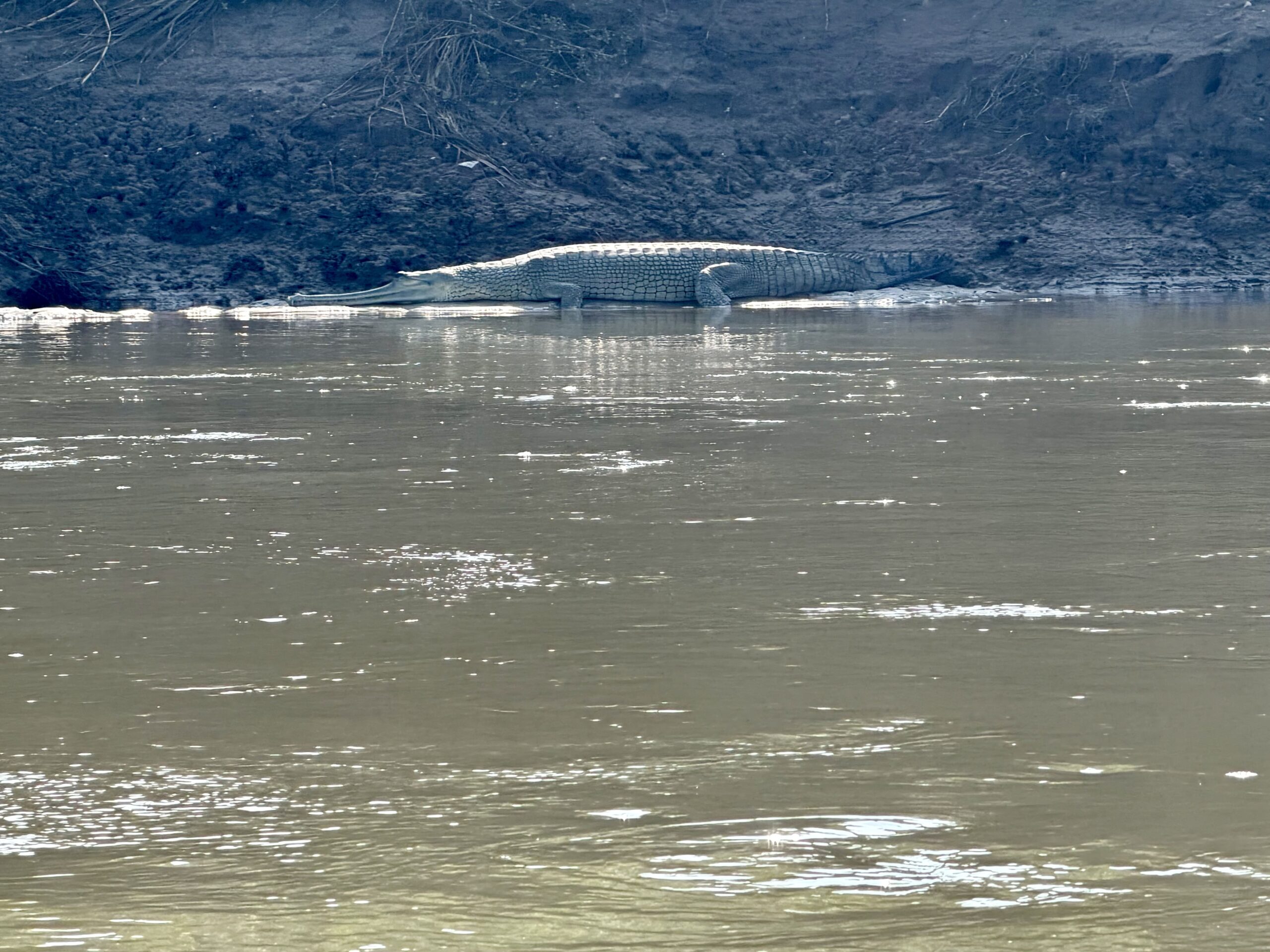
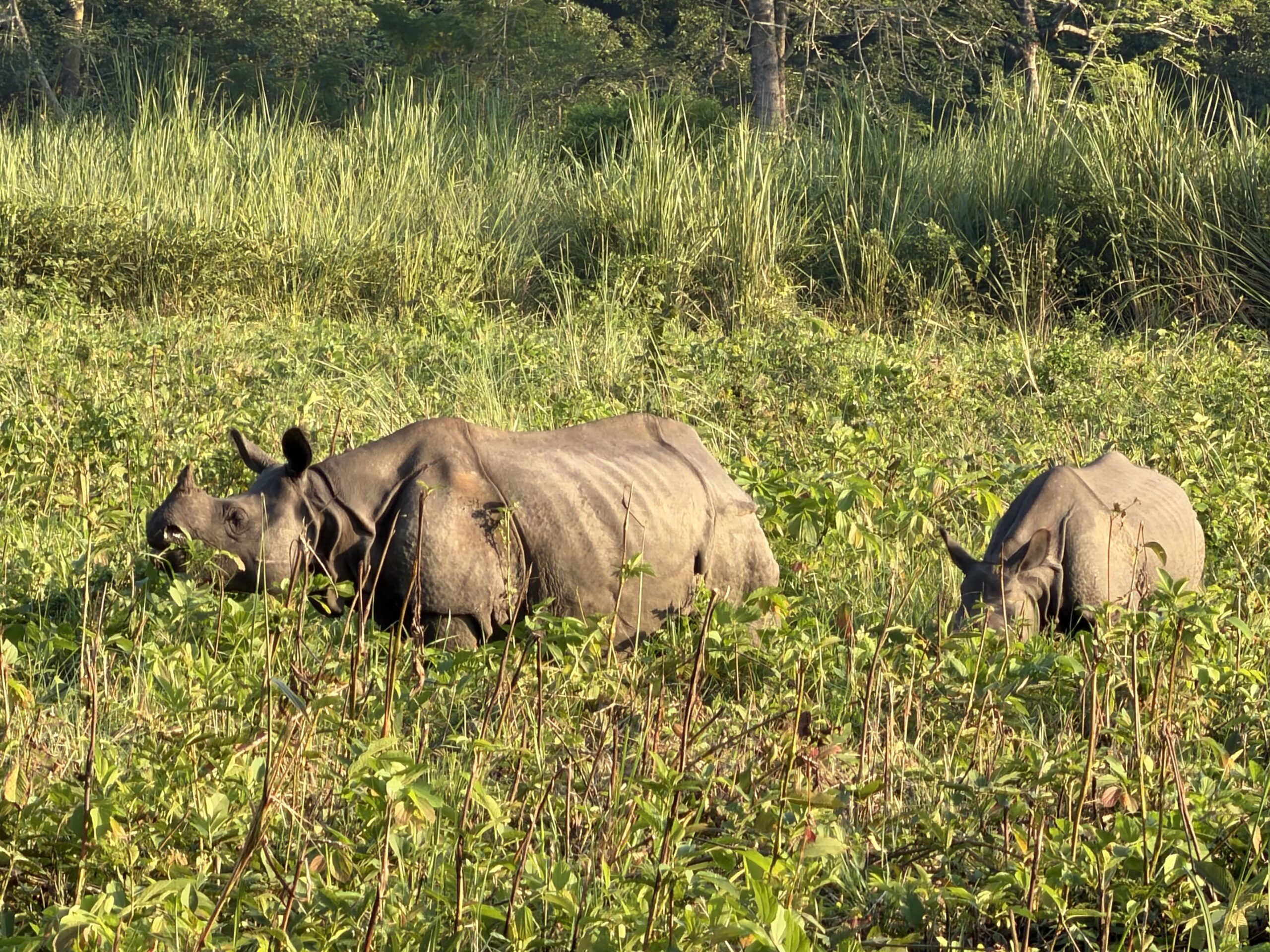
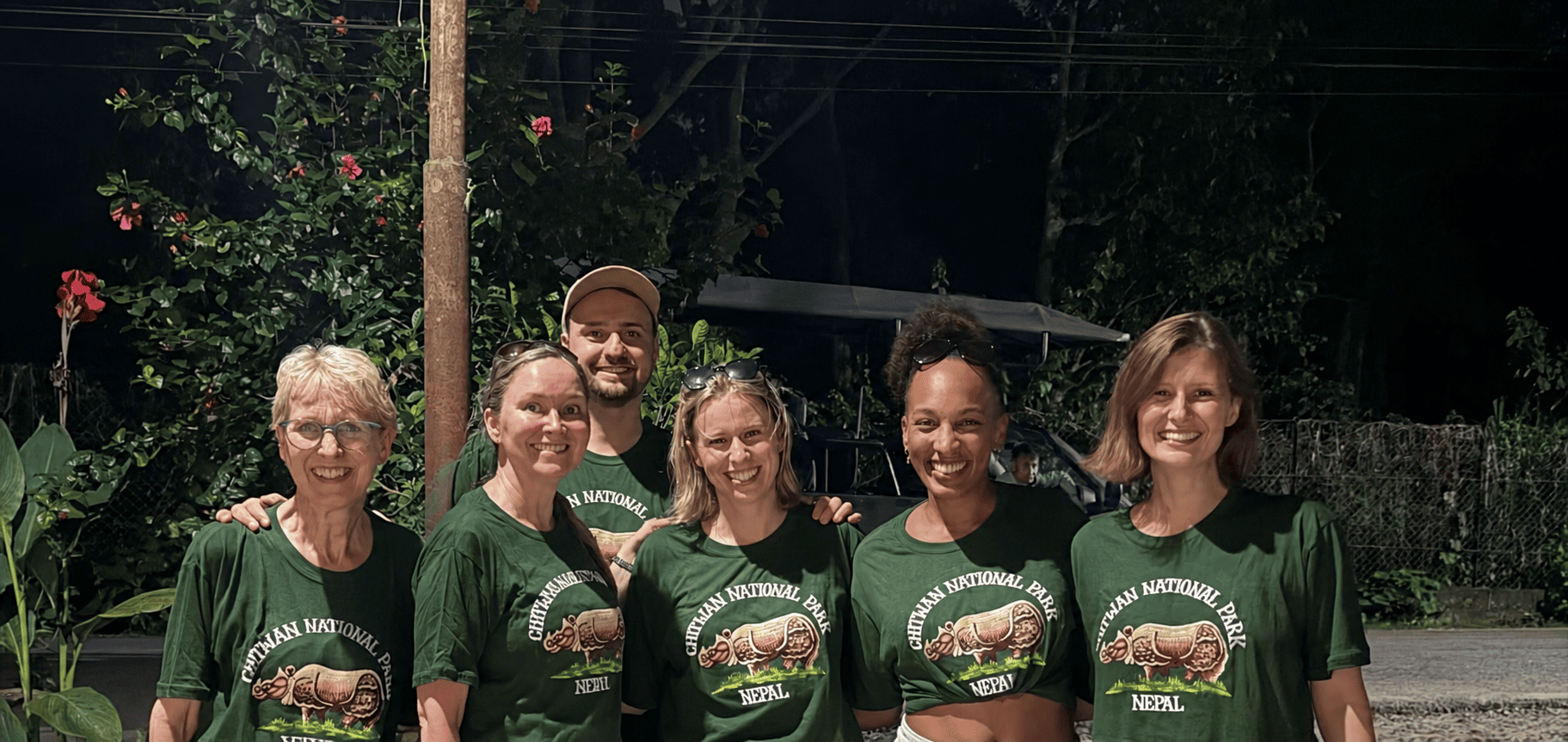
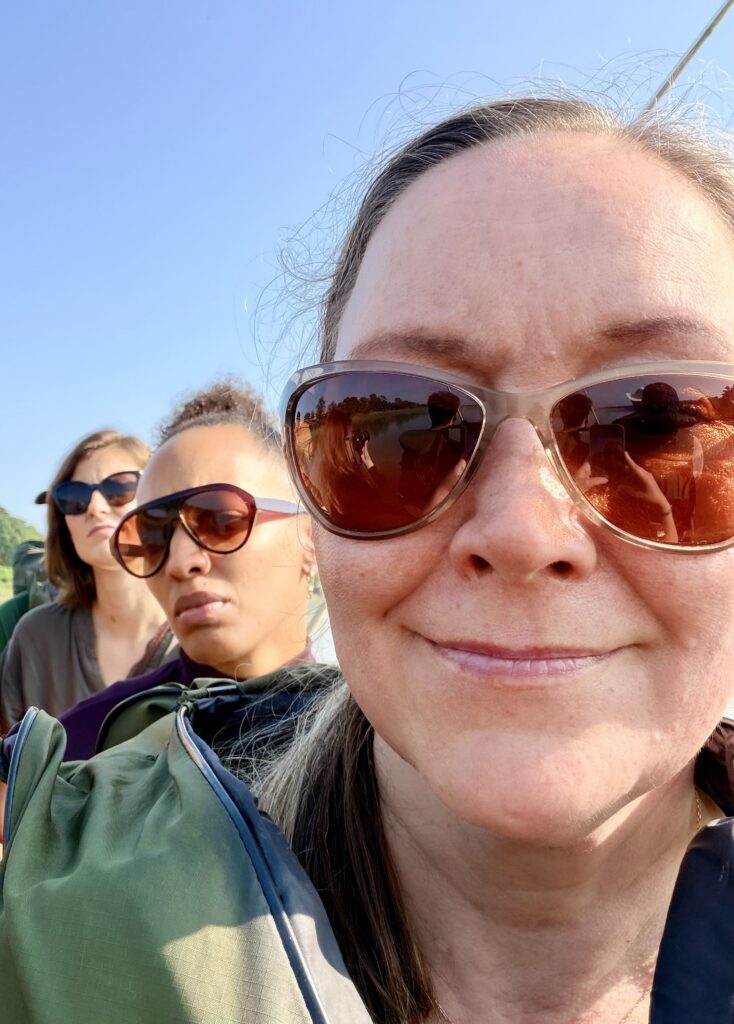
Pink ribbon in Sri Lankan taxi In a way, the taxi ride—with its German, yodeling music—brought my journey full circle. Throughout my trip to Nepal, the rhinoceroses were a recurring theme. Would I get to see them? I spent three days in Chitwan National Park, where I ended up in the same group as Anna, who works at the German Embassy in Kathmandu. Her posting there was coming to an end, and her mother, two siblings, and a friend had come to visit her. Afterward, they were headed to the Annapurna region—a place I had already visited. Anna, her family, and I sat in a small wooden canoe, with only centimeters between the gunwales and the river itself. Crocodiles basked in the sun along the banks—perhaps waiting for us to capsize.
Stay calm 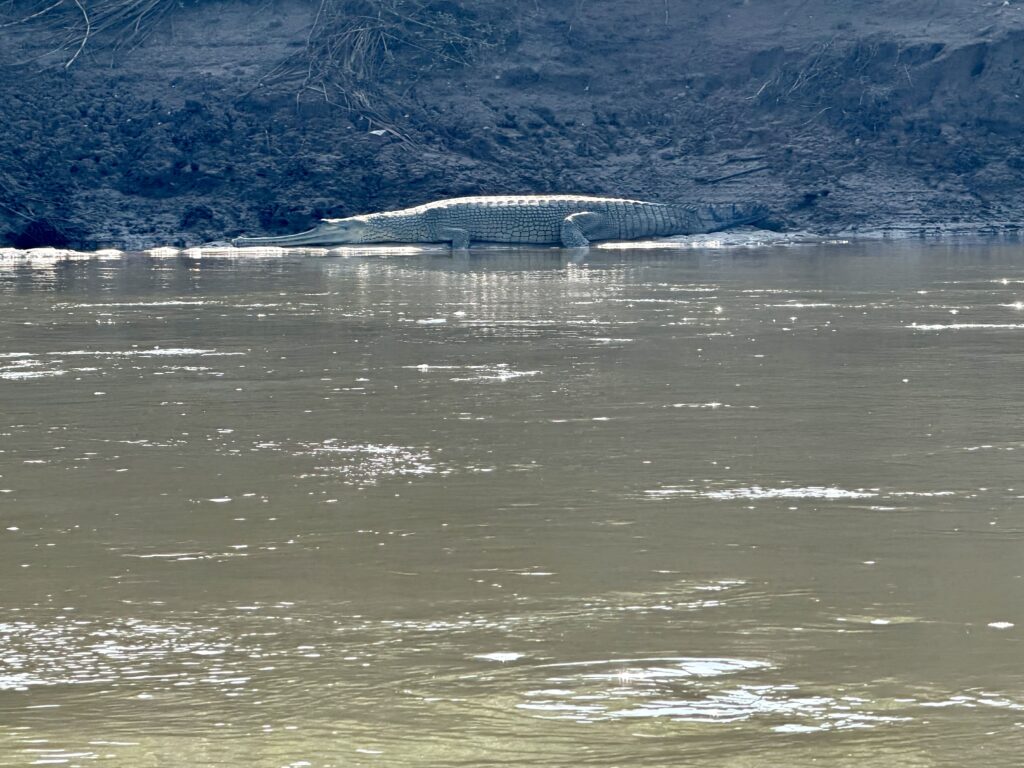
Watching us 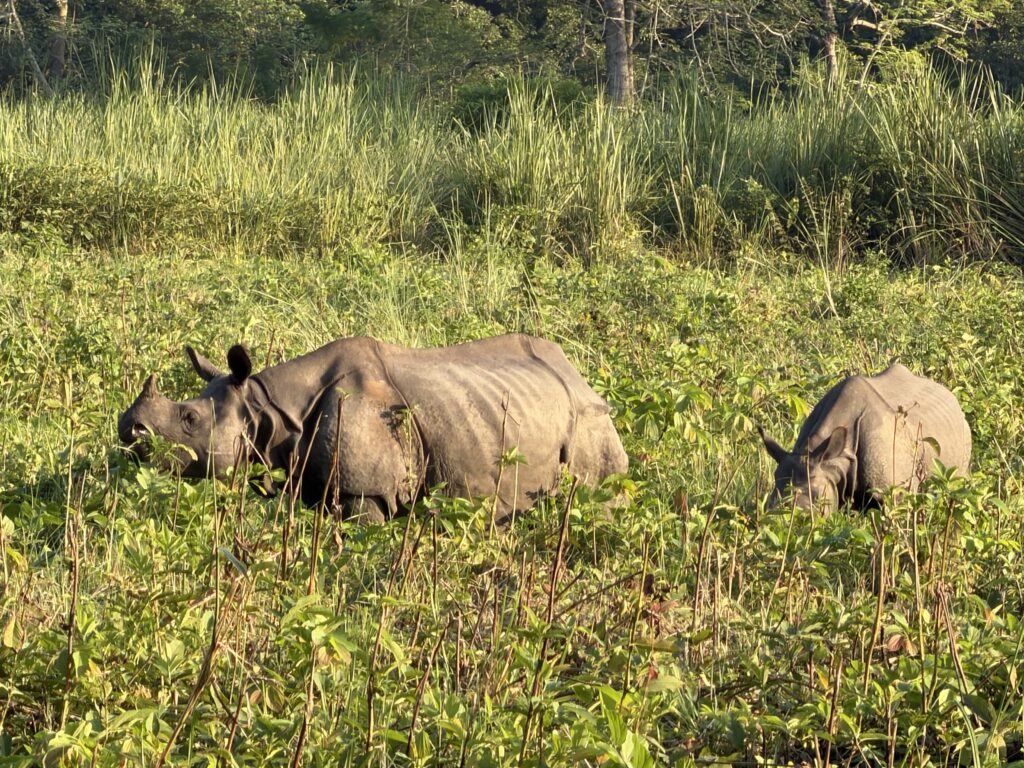
Finally rhinos 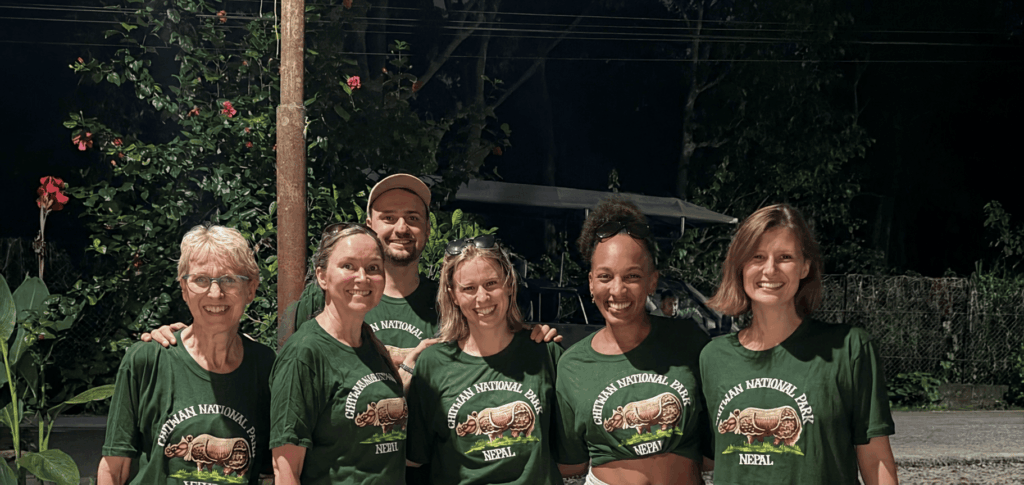
Rhinoceros diplomacy with Anna(purna) That evening, after dinner, I also spoke with other German diplomats who had been out on a jeep safari. To my great delight, I learned that after Nepal, they were traveling on to China to see the pandas! You surely remember the film about “panda diplomacy.” We talked a bit about the situation in Europe, and they suggested that the conflict between Ukraine and Russia could drag on for many years. The crucial thing, however, is that dialogue continues; otherwise, the war will go on indefinitely. Europe must have a seat at the negotiating table—otherwise, we might end up ‘on’ the table ourselves, likely to be torn to pieces.
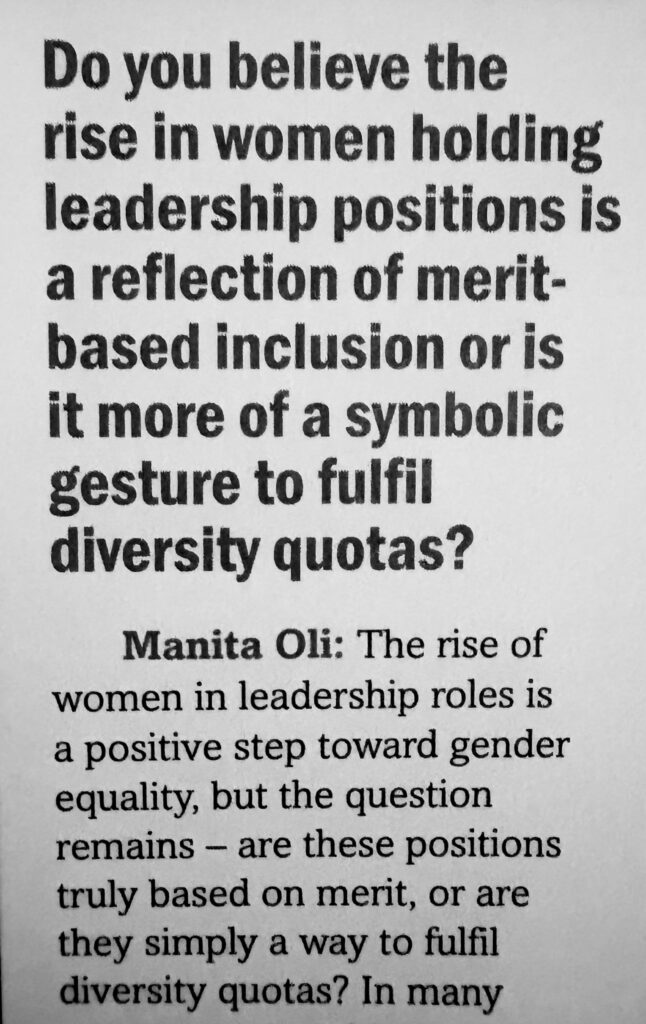
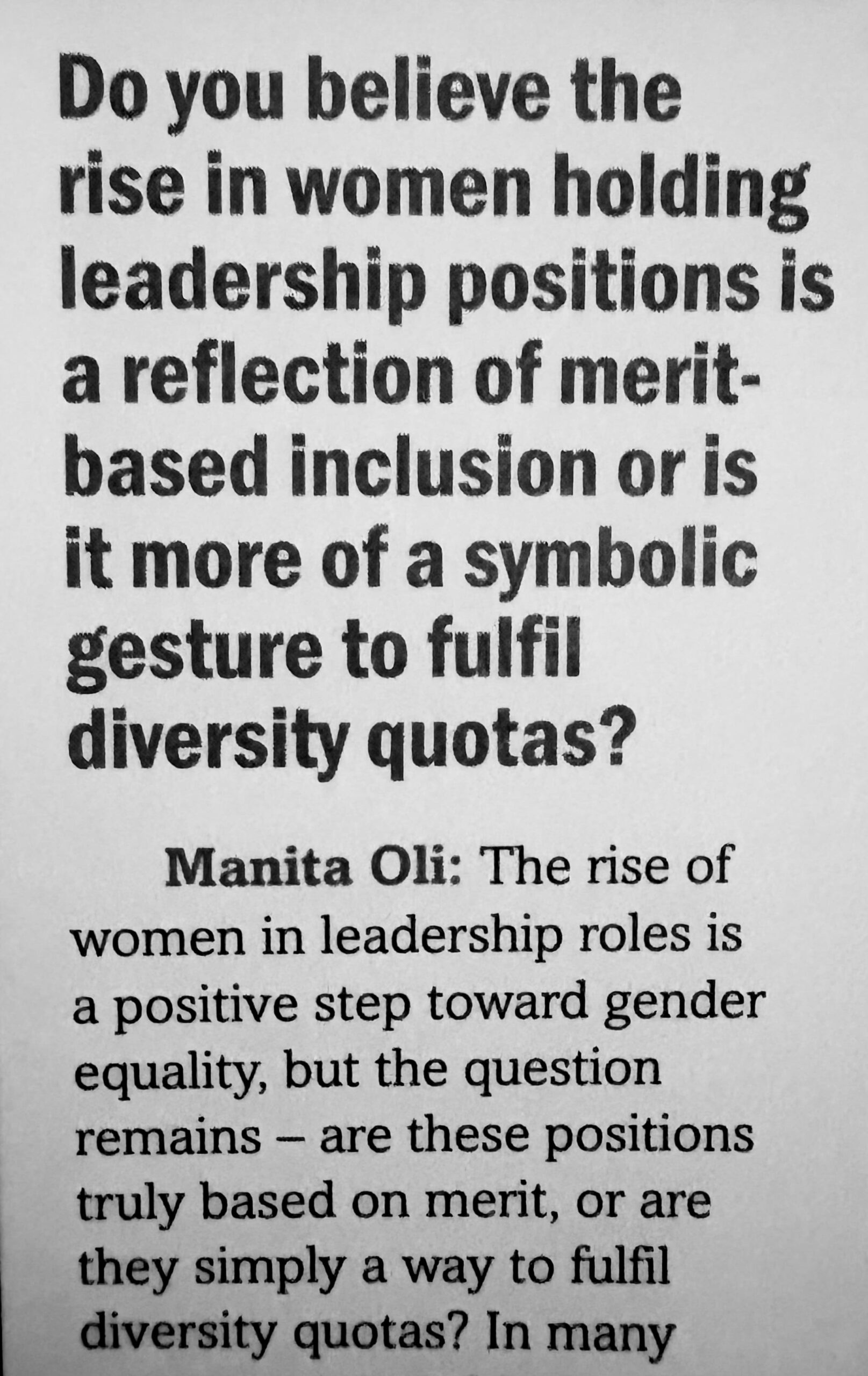
Asia is focusing on females My days have flown by, and I am left with so many wonderful memories. What touched me most was the opportunity to accompany Professor Thapa and his wife to Narakot, up in the mountains. It was a genuine encounter with Buddhism. Between the mountains, the Buddhist temples, and all the kindness I experienced, Buddhism now holds a special place in my heart. My friend Anu, a psychiatrist in Colombo, taught me the fundamentals of Buddhism. She explained that the Buddha was born in Lumbini, southern Nepal—a place Sri Lankans consider sacred.
On a personal note, I’m glad I managed to write in my journal every day. Now, I’ll have time for reflection, and I have plenty of lovely memories that I can turn into short, informal essays. I usually like to get settled quickly after a trip, so I’m spending today catching up on laundry.
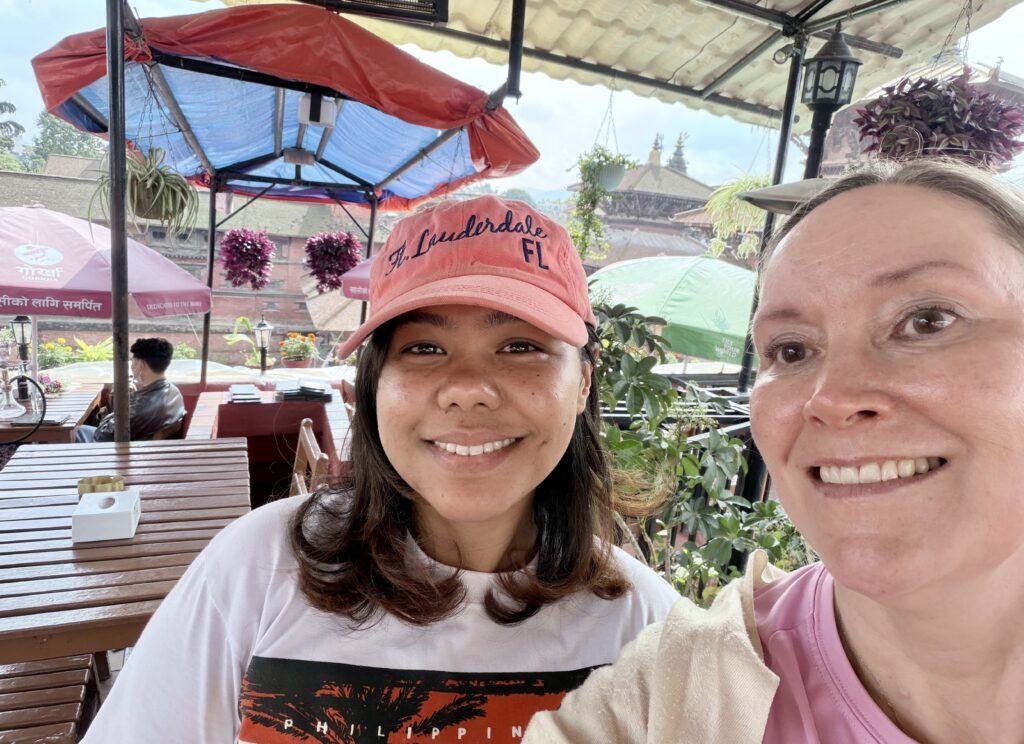
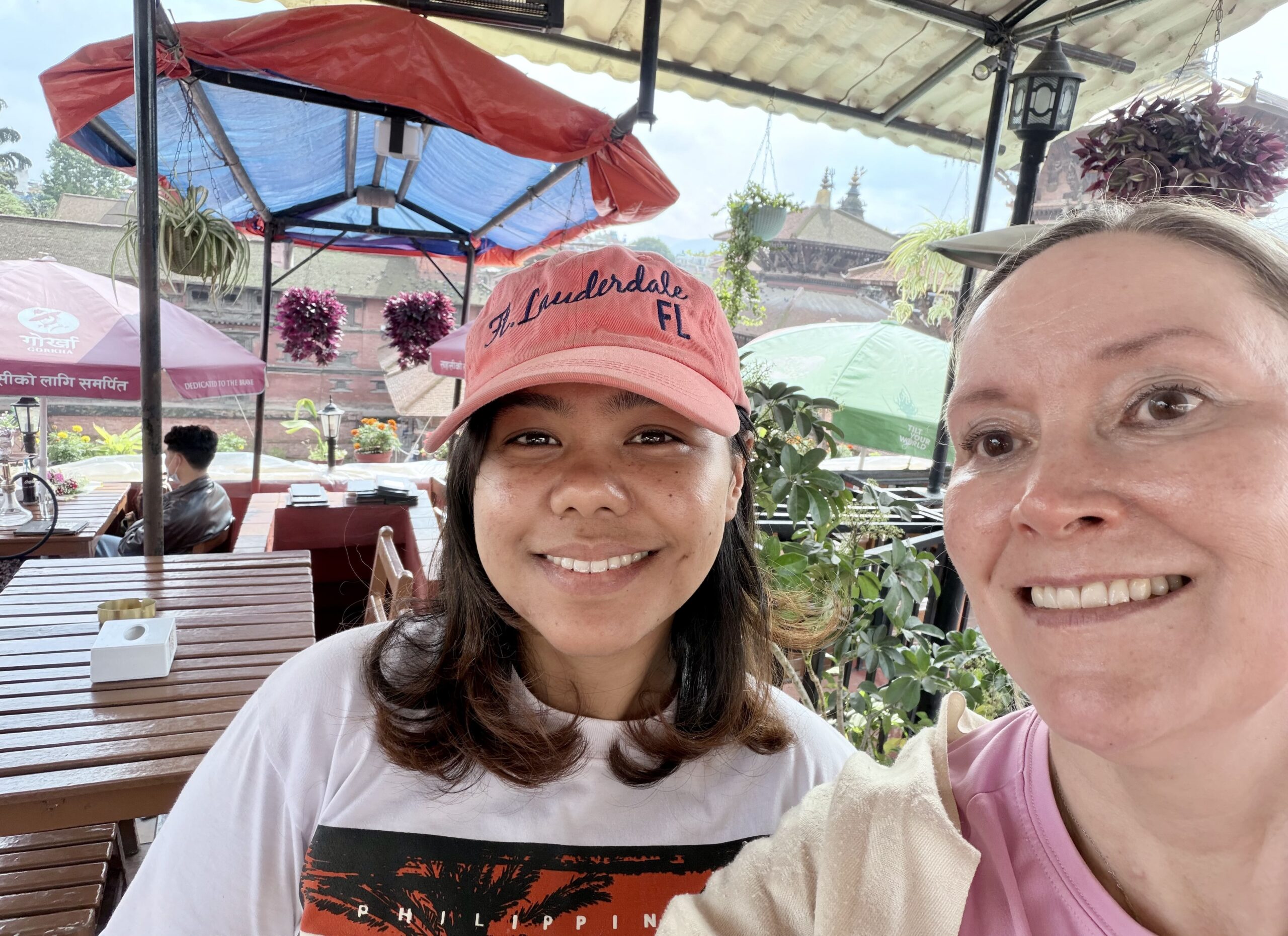
On tour with Aparna in Kathmandu Before I left, I started reading *The Kathmandu Post*. They publish an air quality index—something I hadn’t imagined was necessary—but I saw a man wearing a mask at work to protect himself from vehicle exhaust. In Sri Lanka, they use an unofficial metric known as the “firefly index.” I used to see fireflies glowing in the evening air in Colombo; the number of fireflies serves as a reflection of the air quality.
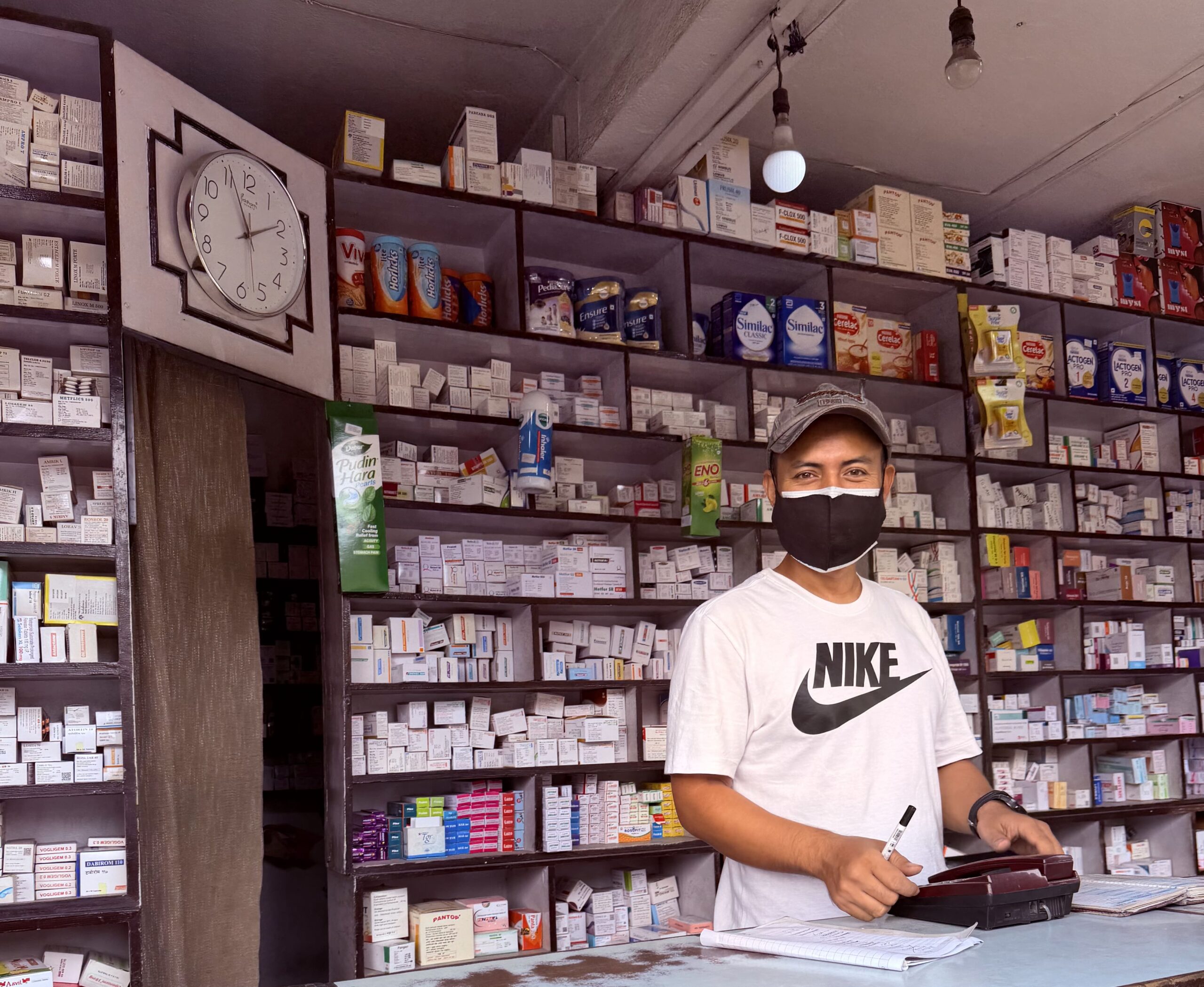
Tomorrow I’ll be back to my everyday life, and I’ll wrap things up by sharing this photo from a pharmacy in Kathmandu. I followed my own advice: the best approach is simply not to get bitten by a mosquito. I bought some repellent, which I used in Chitwan and later on in Sri Lanka as well.
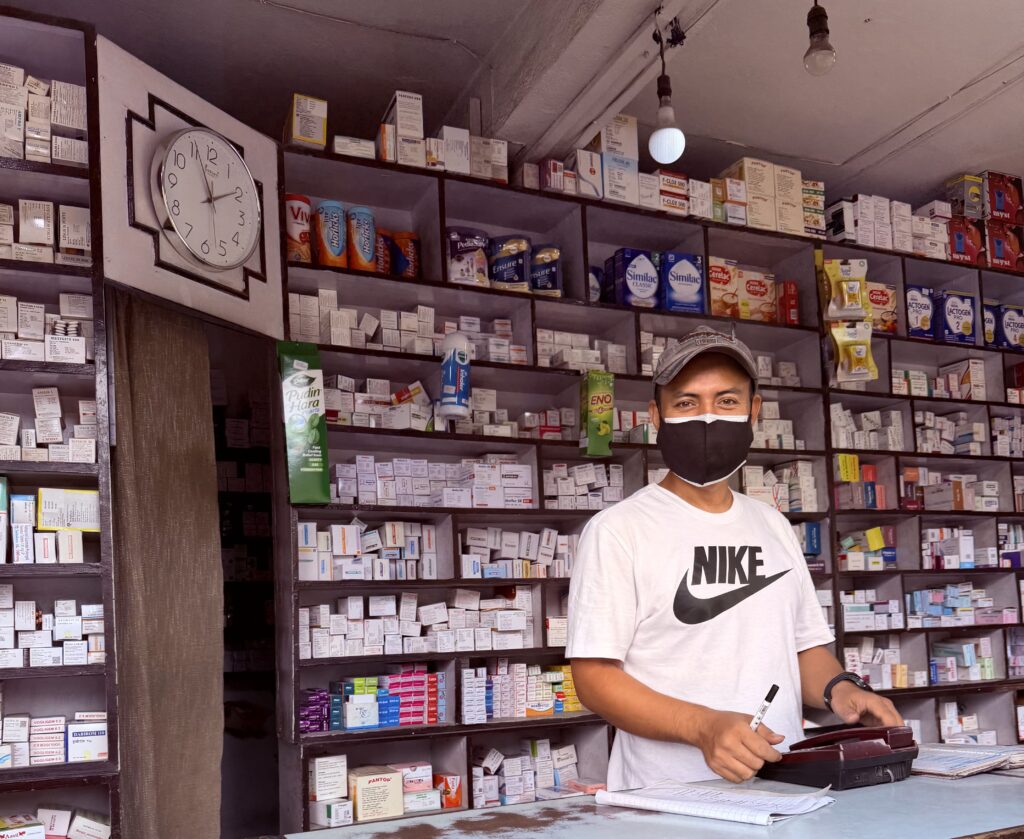
Kathmandu pharmacy -
Dengue or flu?
In Sri Lanka, everyone is scared of dengue fever. There was just an epidemic, and several people have died due to Dengue. There is a vaccine, but it is not 100% effective.
My friends told me that the first time is not so dangerous. But the second time you get bitten by the Dengue mosquito, you might have Dengue hemorrhagic fever.
You cannot really tell the difference in the first two days if you have Dengue or influenza with regard to symptoms. A test based on blood count is needed. There is a dangerous phase of Dengue infection, and that is when the fever drops and you believe you are recovered. Plasma leakage and bleeding complications may occur.
I found this interesting writing in the Sri Lanka Daily Mirror:
There is a quiz at the bottom!
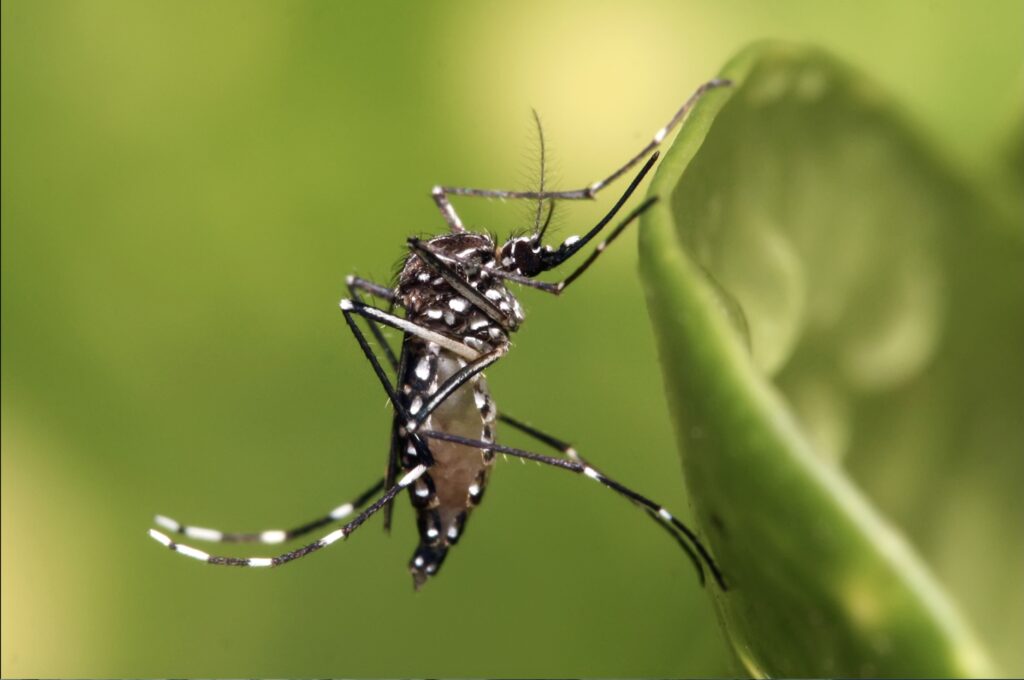
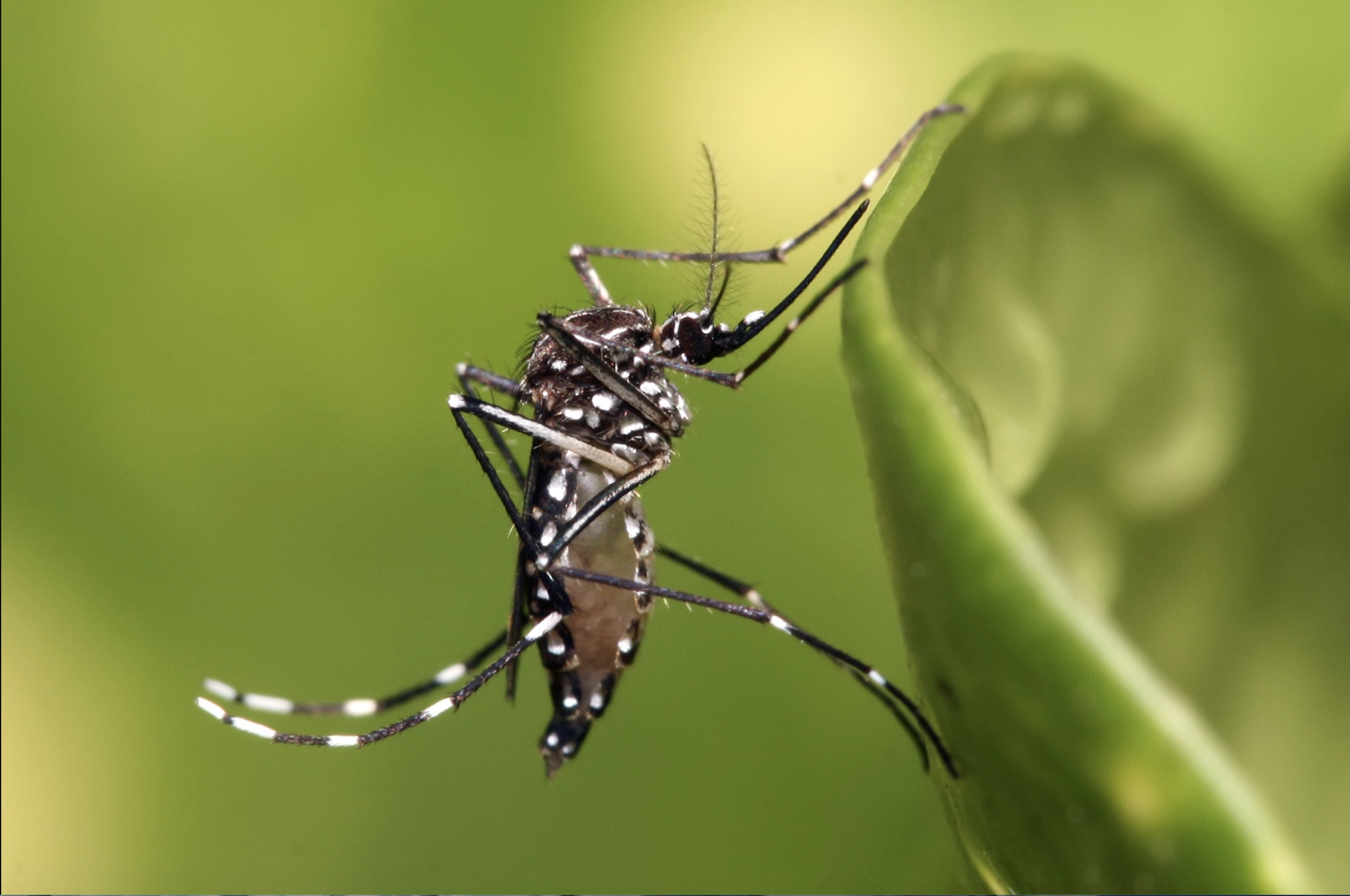
Aedes aegypti (Egyptian mosquito) -
Spices, fruit trees, and spiders
It is raining for quite a few months in Sri Lanka. Recently, a few hours ago, there were heavy downpours that quite quickly gave way to sunshine. The greenery is wonderful, and this morning I had a short walk in a garden belonging to Anu’s family. There were mangoes, bananas, papayas, coffee plants, cinnamon, and other interesting plants used in cooking. Chili peppers were there, too—the kind I eat with the coconut porridge in the morning. Moreover, instead of fields of oats or wheat, rice is grown here. I have also seen rubber trees, which are cultivated for export.
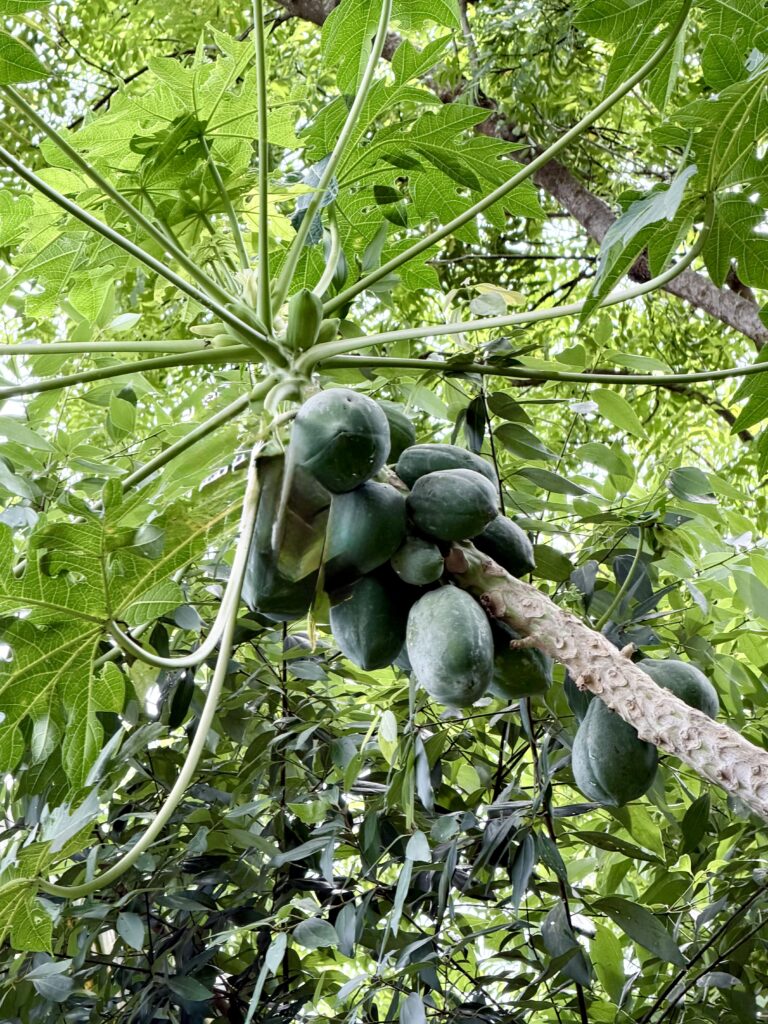
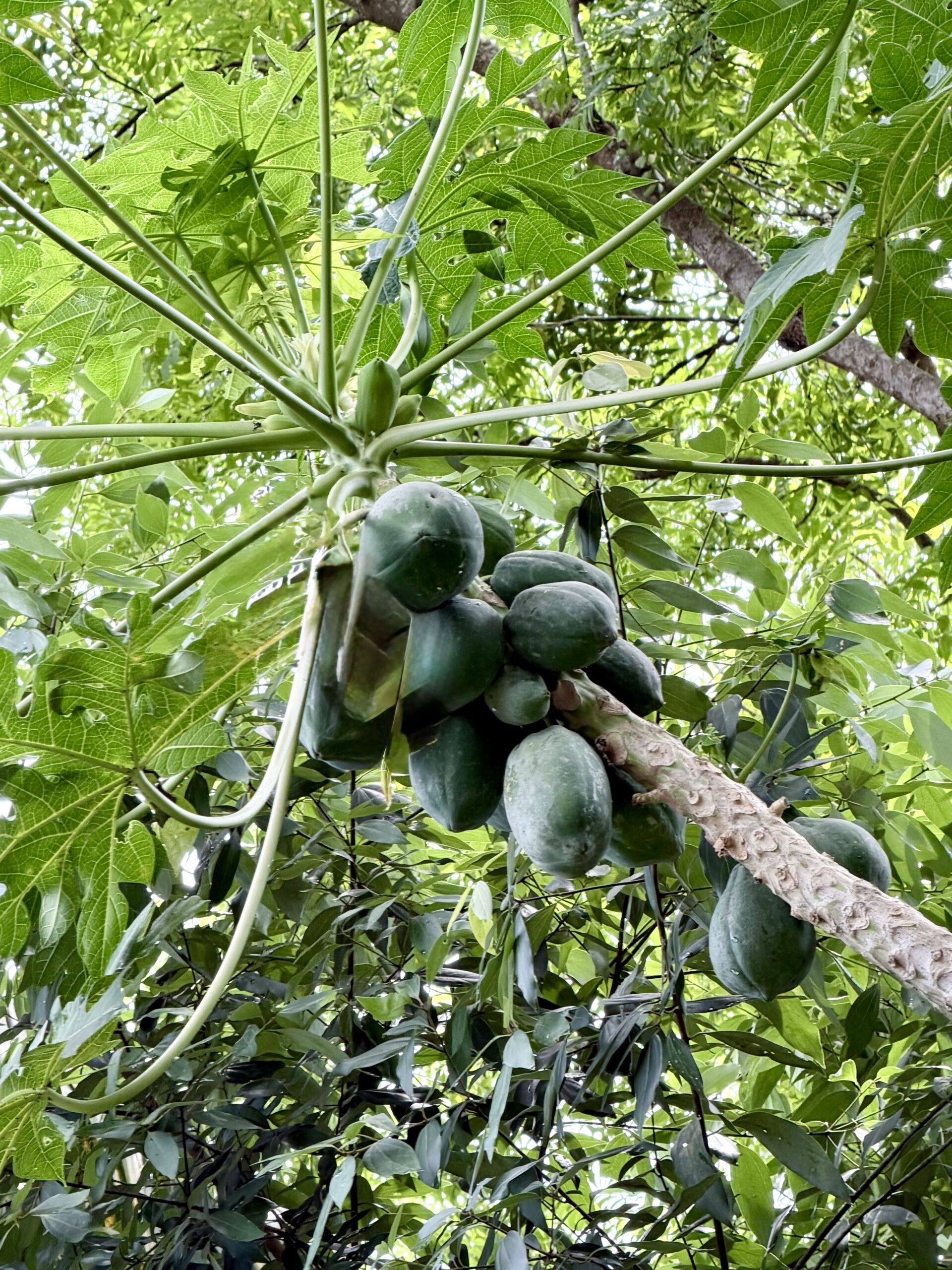
Papaya There are snakes, but thankfully, they’ve remained out of sight. I did, however, find a giant spider in my room. I didn’t scream, as I usually would—perhaps because its sheer size made it feel like an individual in its own right. With a little bit of help, it soon made its way out onto the lawn.
I traveled to Sri Lanka about ten years ago, and this time I’ve seen Colombo—a major global city with connections to many countries. Here, the value of a car can actually increase after purchase, and the cars share the busy roads with tuk-tuks. We saw queues at gas stations, with cars lined up—perhaps a reflection of the current global uncertainty.
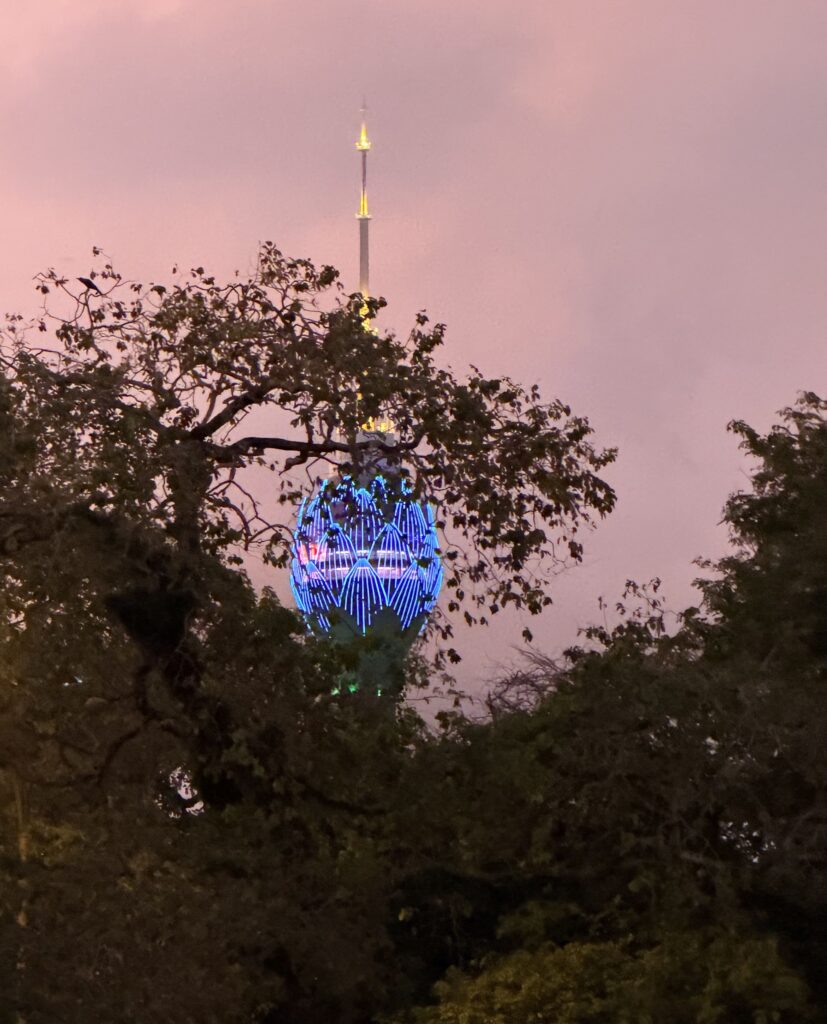
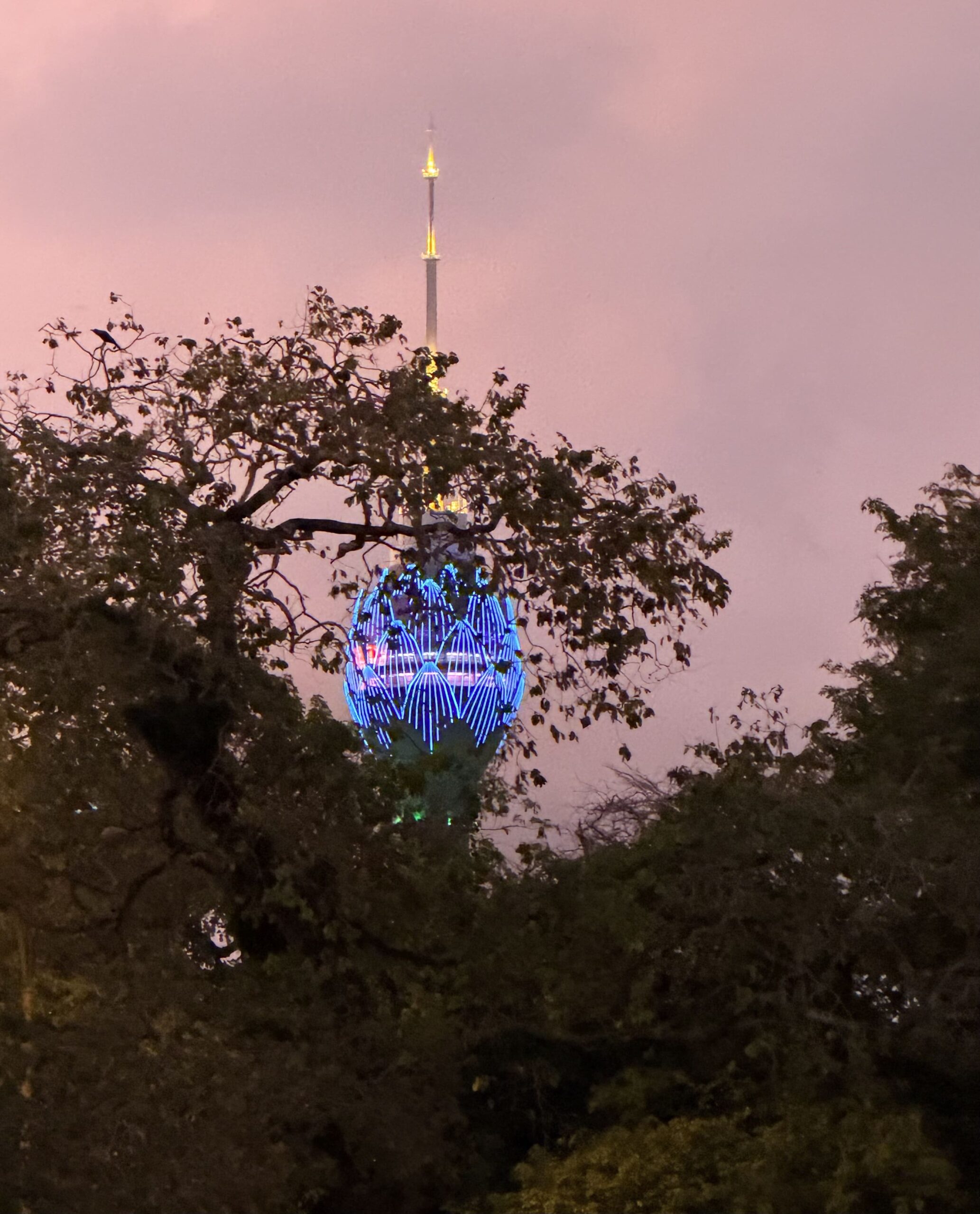
Lotus Tower, Colombo 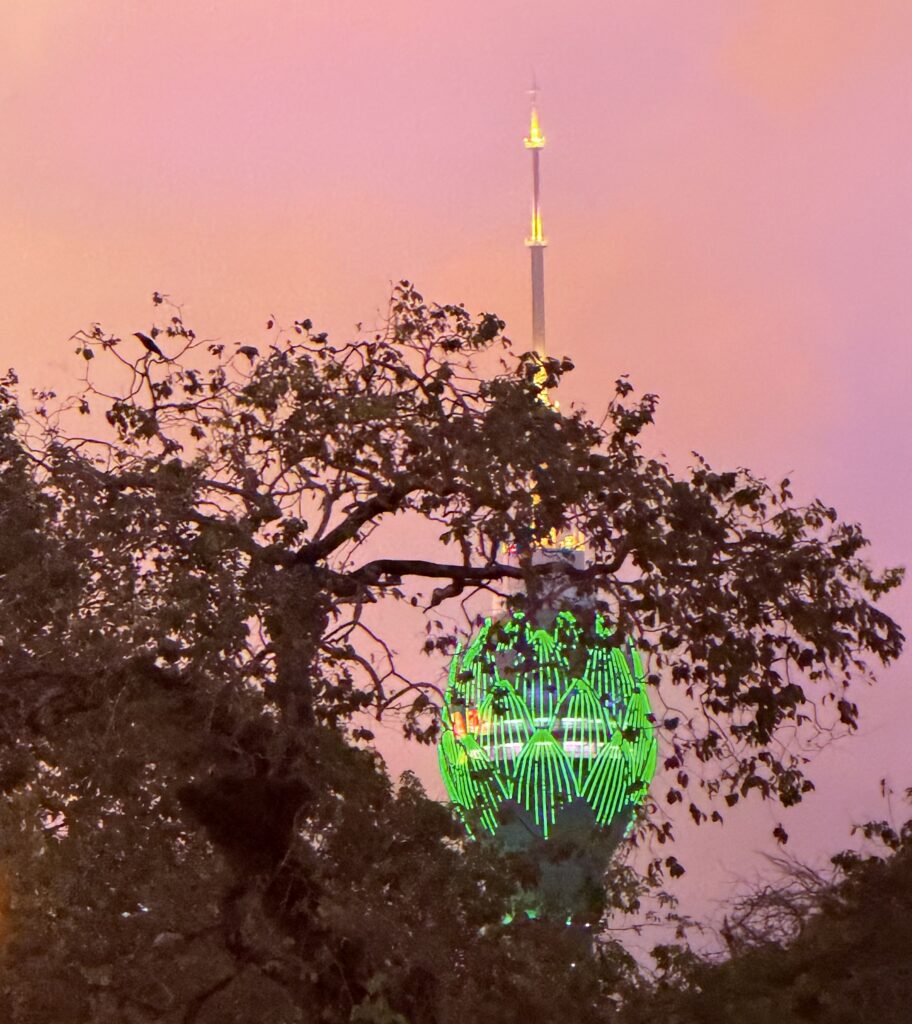
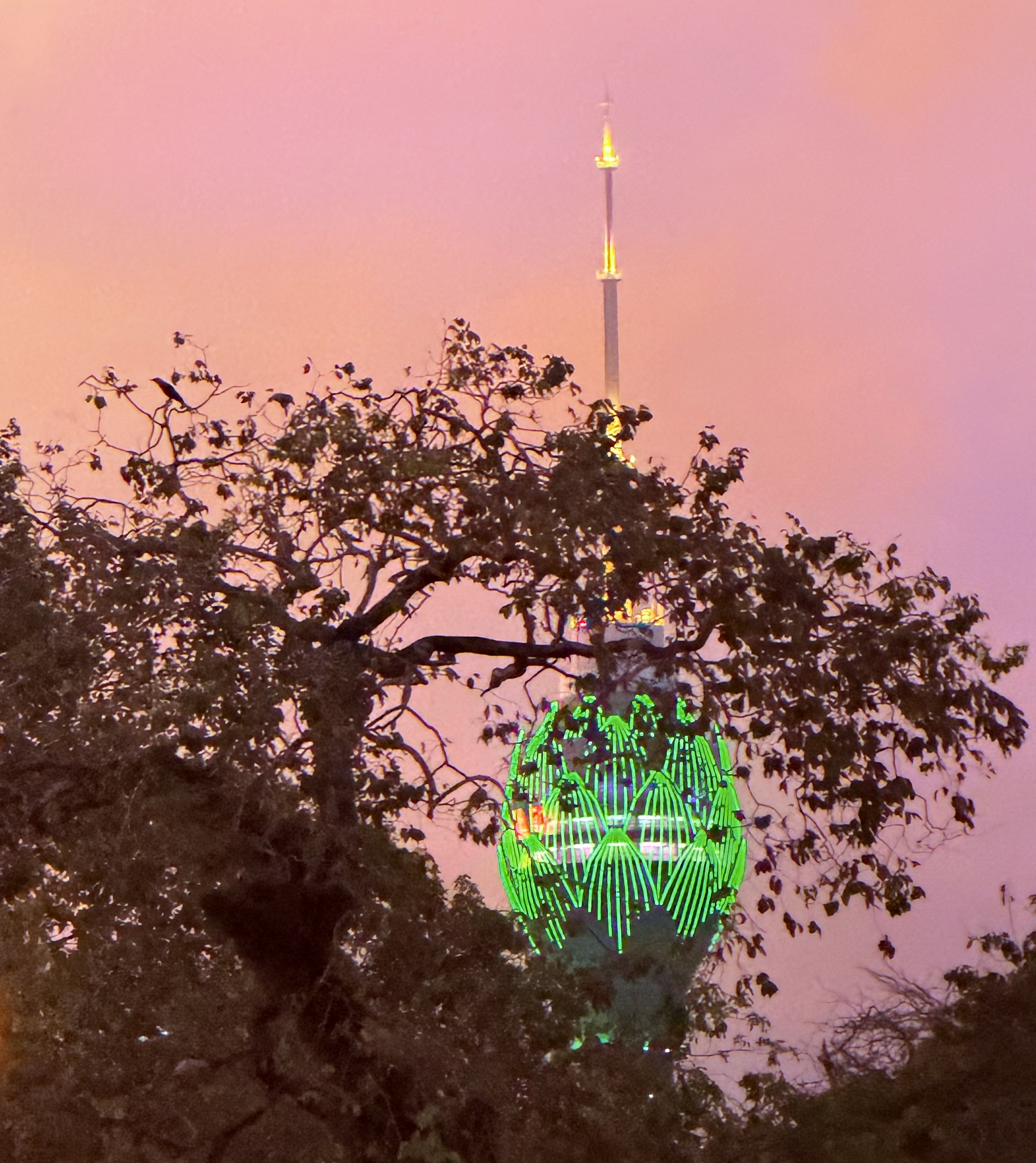
Green Lotus Tower, Colombo This hasn’t been a “sun holiday,” but I did spend some time in the sun this afternoon. It was just the right amount of sun and warmth. I am starting to prepare, and remind myself, for my return to the Nordic region. There isn’t much daylight there right now—and I believe the clocks go back this Sunday for wintertime. The reserve of sunshine I have gathered here will surely be useful this winter. I will also remind myself of the feeling of being on the move in my everyday life.
-
Spicy Sri Lankan food
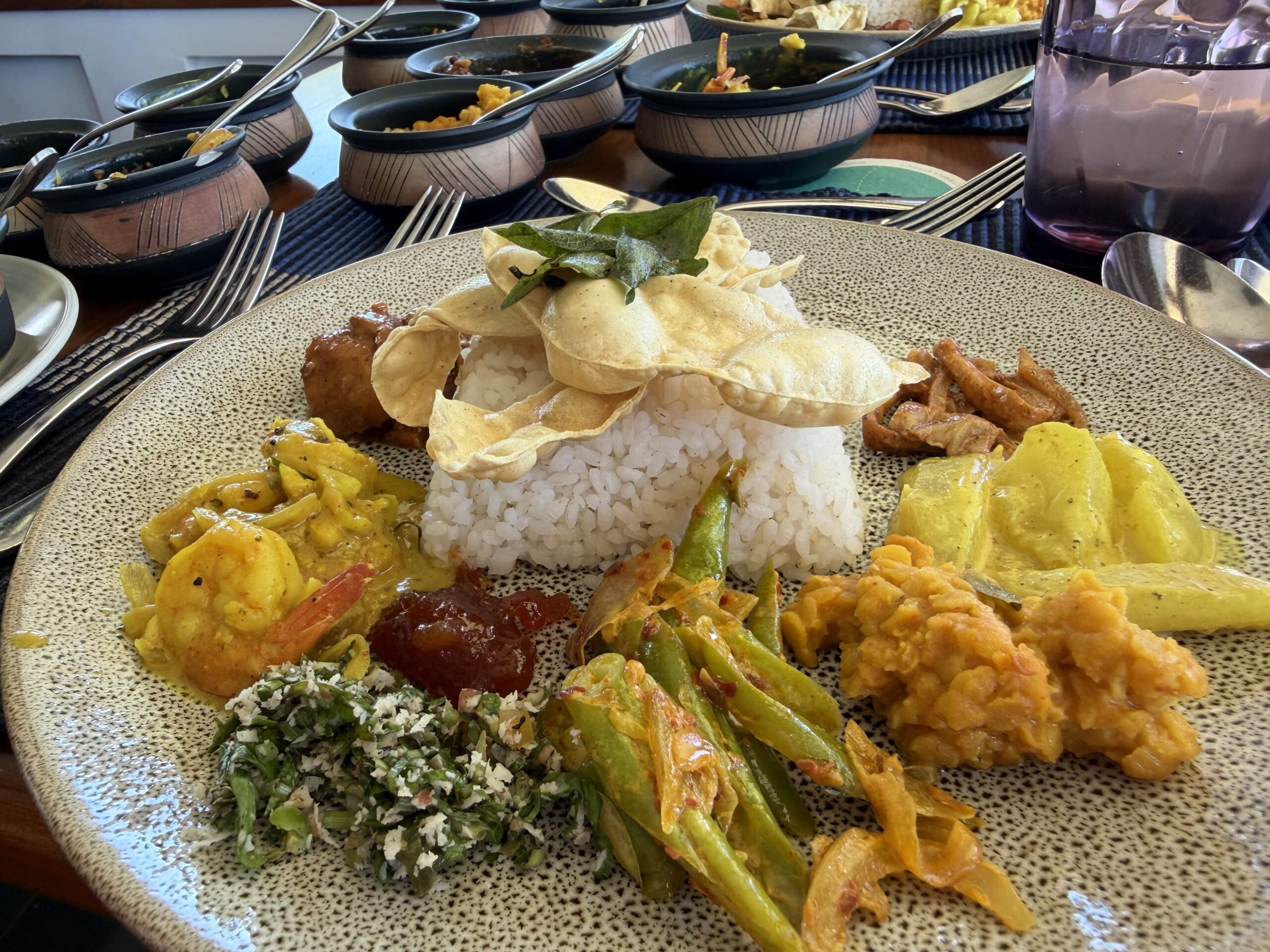
Dear readers, you know I love to cook, and I really enjoy spicy Asian food. I do not eat beef since the cow is considered holy. Actually, vegetarian food is good, so I have mostly had veggie with seafood.
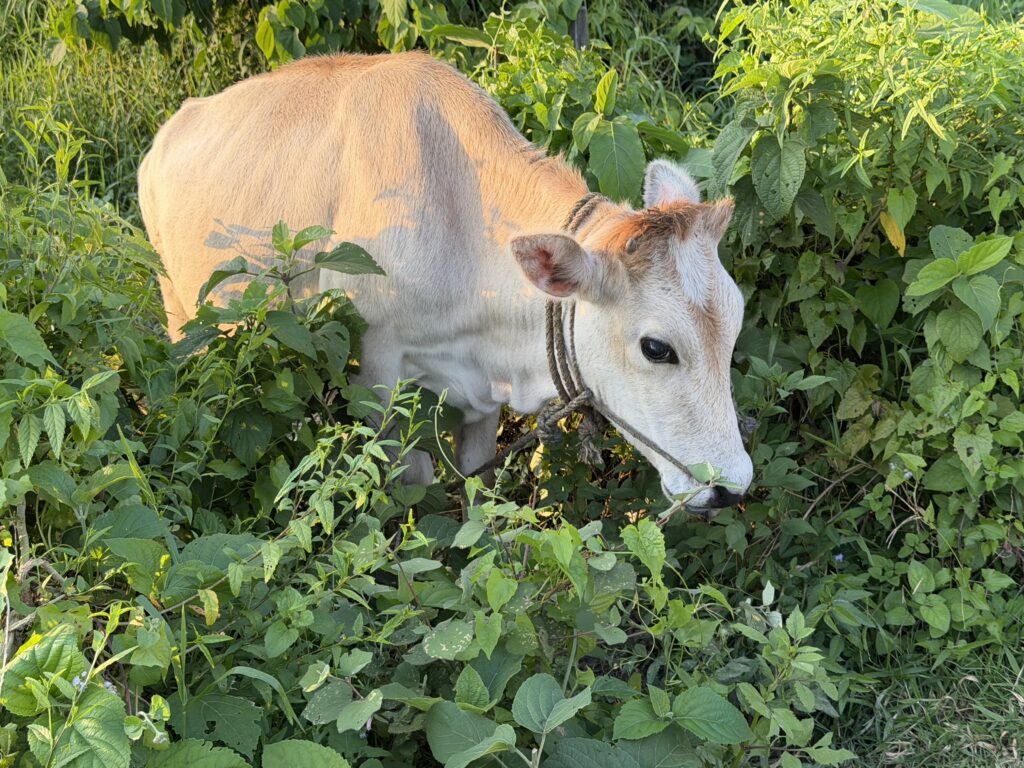
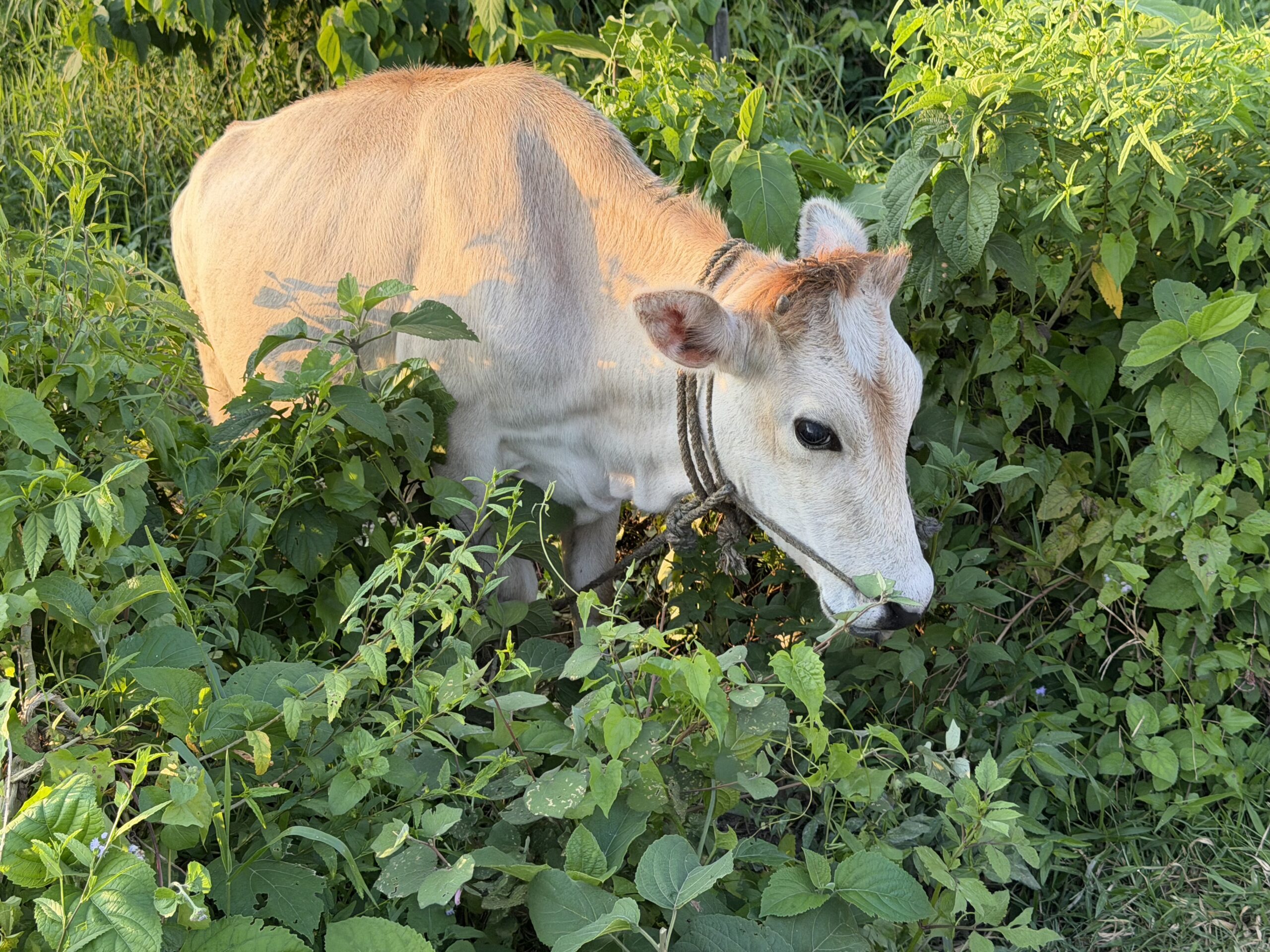
Nepal cow in Chitwan 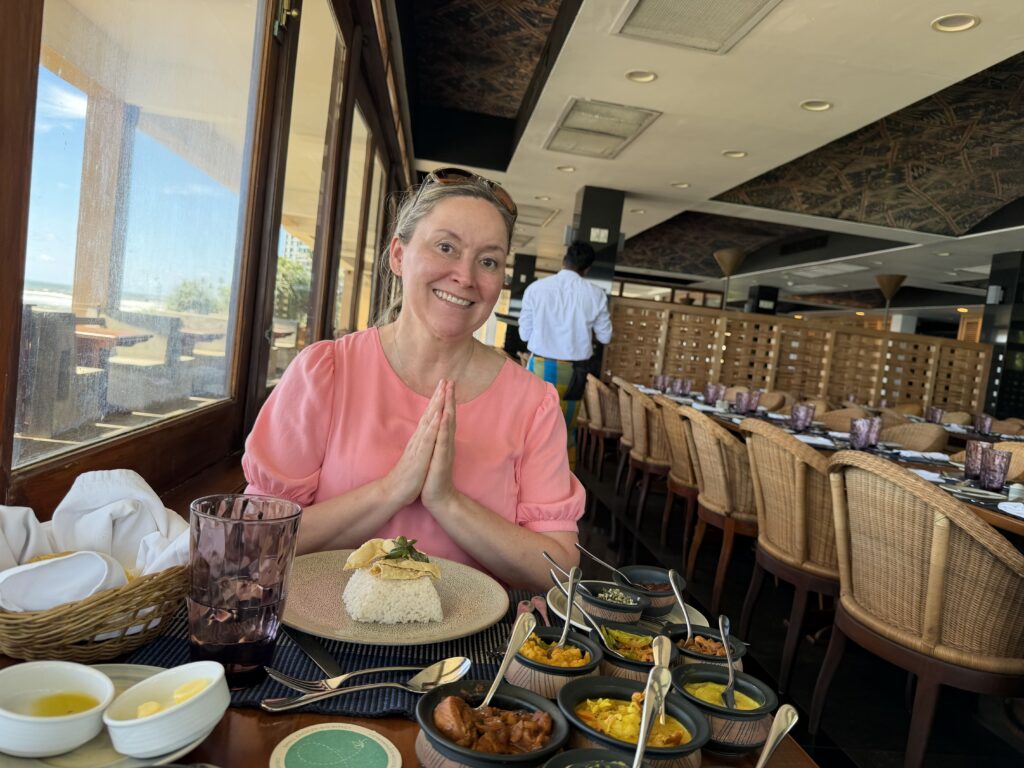
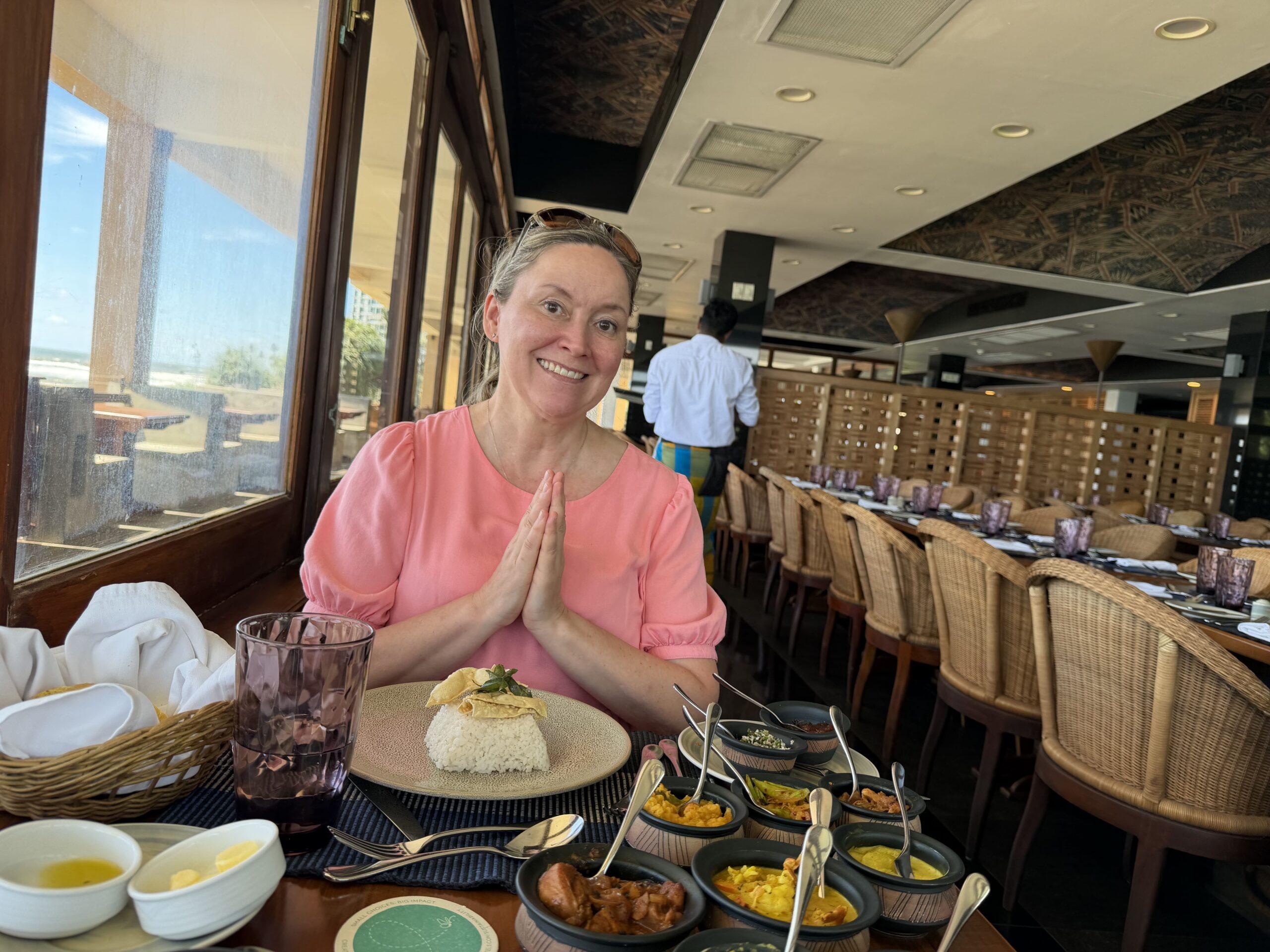
Lunch in Galle, South of Sri Lanka Yesterday we went for a tour to southern Sri Lanka. We had a very nice lunch by the Indian Ocean. It was rather windy, and the waves were rough.
I have also learnt that Sri Lankan spicy food for breakfast wakes you up: rice, chilli pepper, and banana!
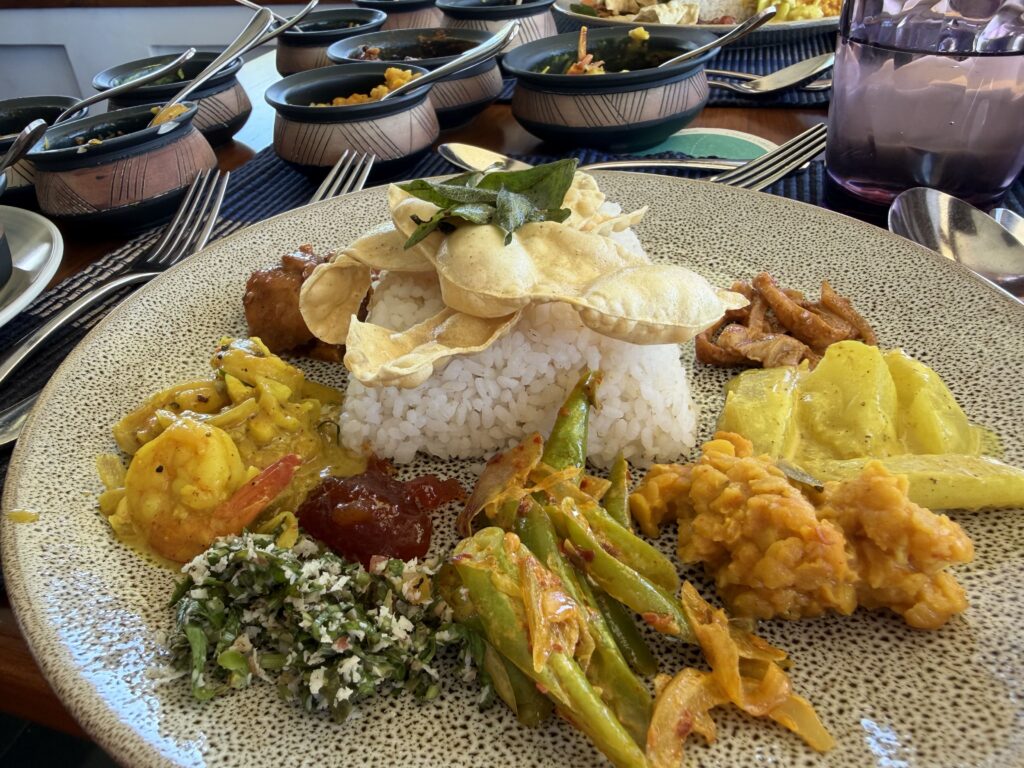
Veggie with shrimps and chicken -
The hunchback of Notre Dame
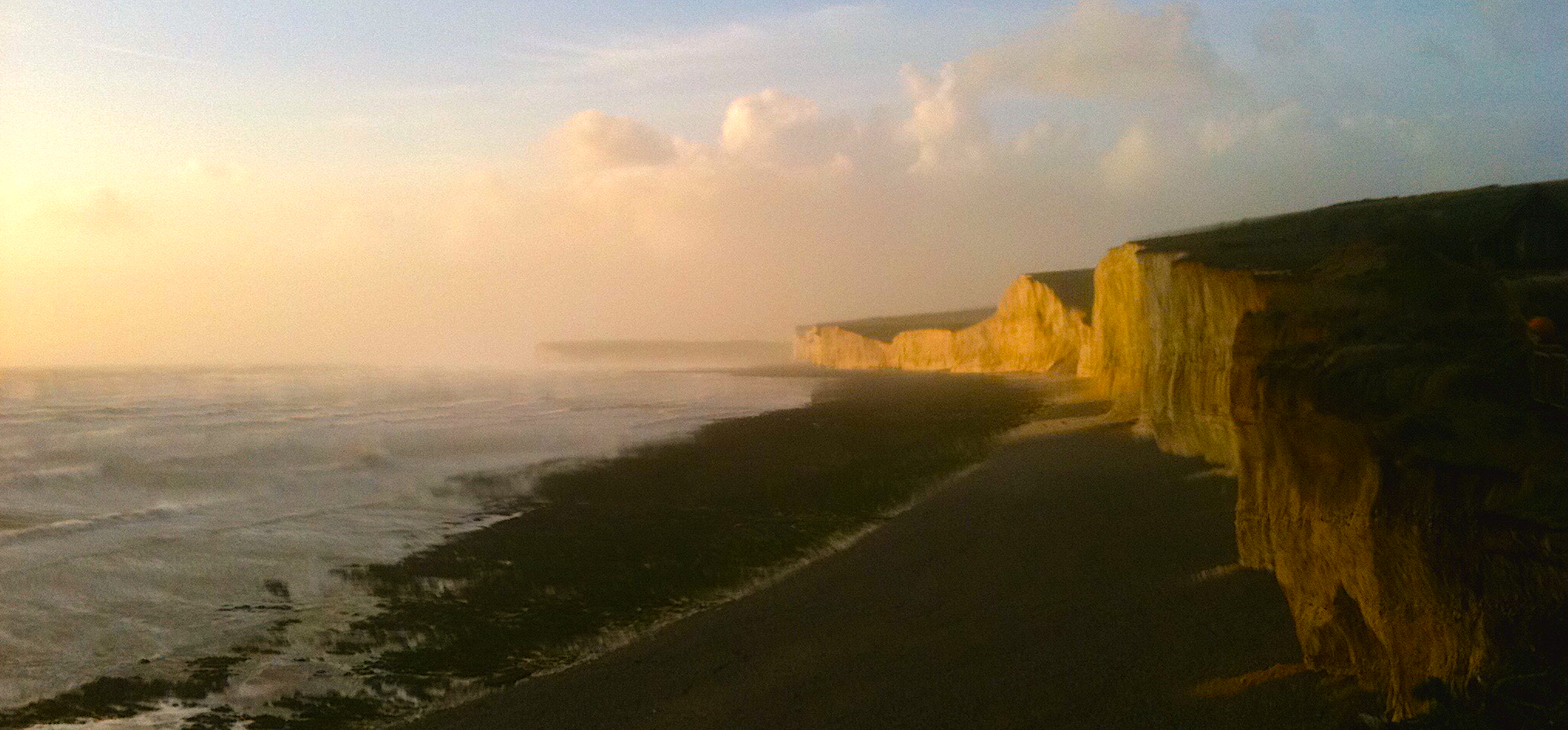
This holiday has been so active. Lots of things to do every day. Today I am just having a lazy day since my friends are working at the hospital. I am staying very close to the beach, listening to the waves. Ships are on the horizon, and I know India is there, but I cannot see the land from here in Colombo.
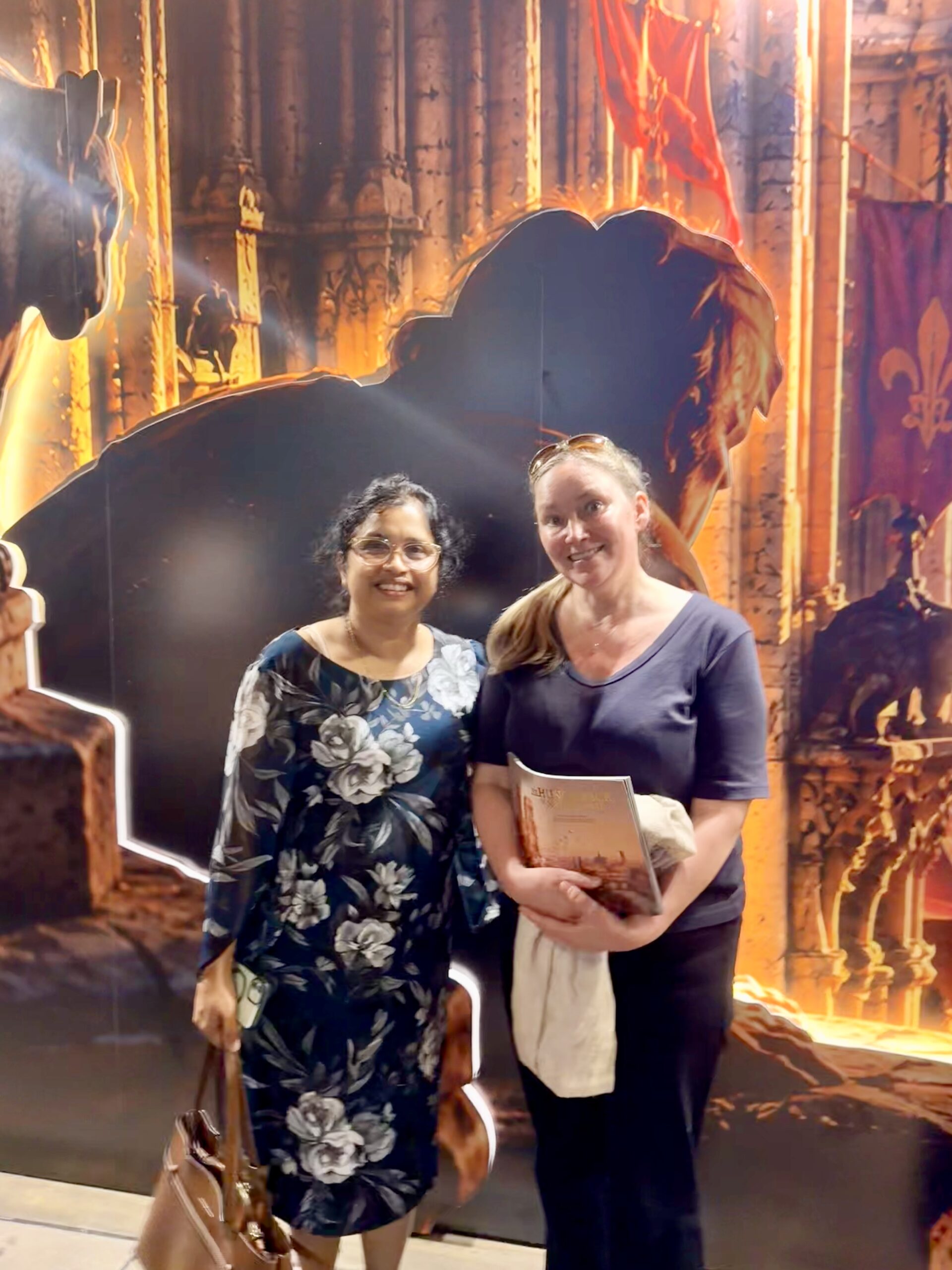
Anu brought me to a concert on Sunday, and we saw the wonderful musical based on Victor Hugo. It was really a Broadway show. Three hours felt like three minutes. Sri Lanka is tightly connected with the United Kingdom, and the play was somehow sponsored by Oxford Business.
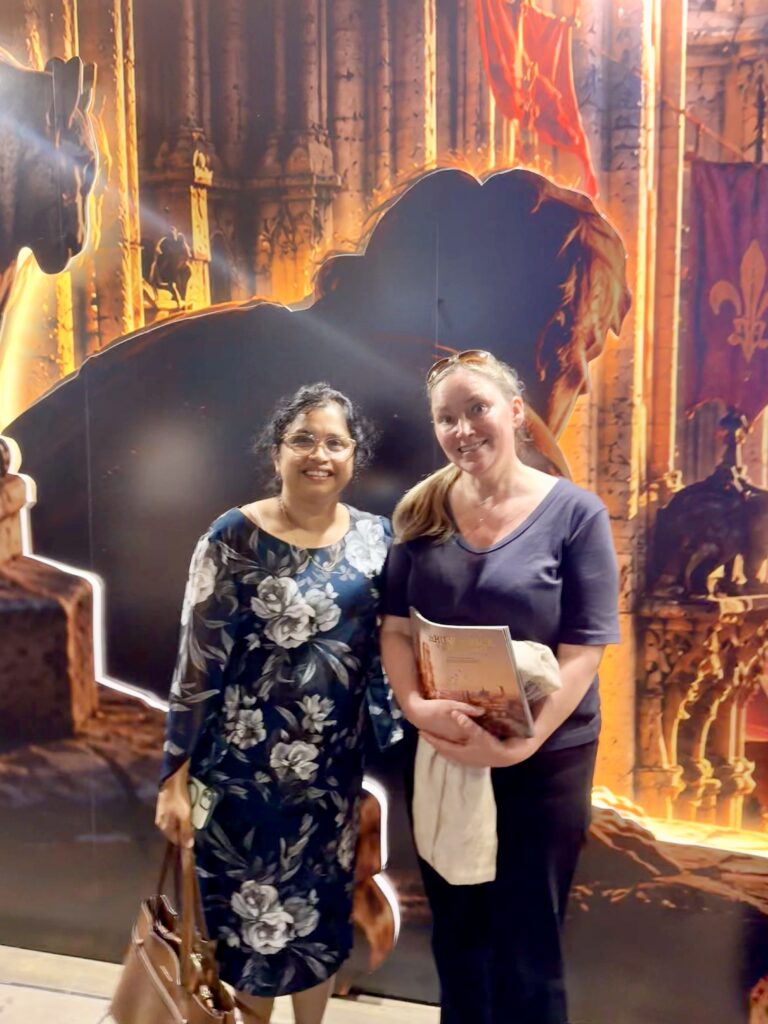
The hunchback of Notre Dame -
Peace and quiet
It has been relaxing to leave Sweden for a while. The Ukraine tensions are present in Stockholm. The military and the police have been present in Nepal, India, and Sri Lanka, and I notice that they are very serious in their work. That feels good, and I have felt safe and comfortable. So many shootings in Sweden.
However, there are unpredictable acts of terror, like the bombing in Colombo in 2019, where civilians were killed by an Islamic State-related terror attack. A holy day meant for rest and worship turned deadly in Sri Lanka. I am just a block away from one of the hotels that was bombed.
I have not met so many Europeans, but in Kathmandu I had a chat with a couple from Belarus. They immediately said, “We are not from the war”, and they also seemed happy to leave Europe for a while for peace and quiet.
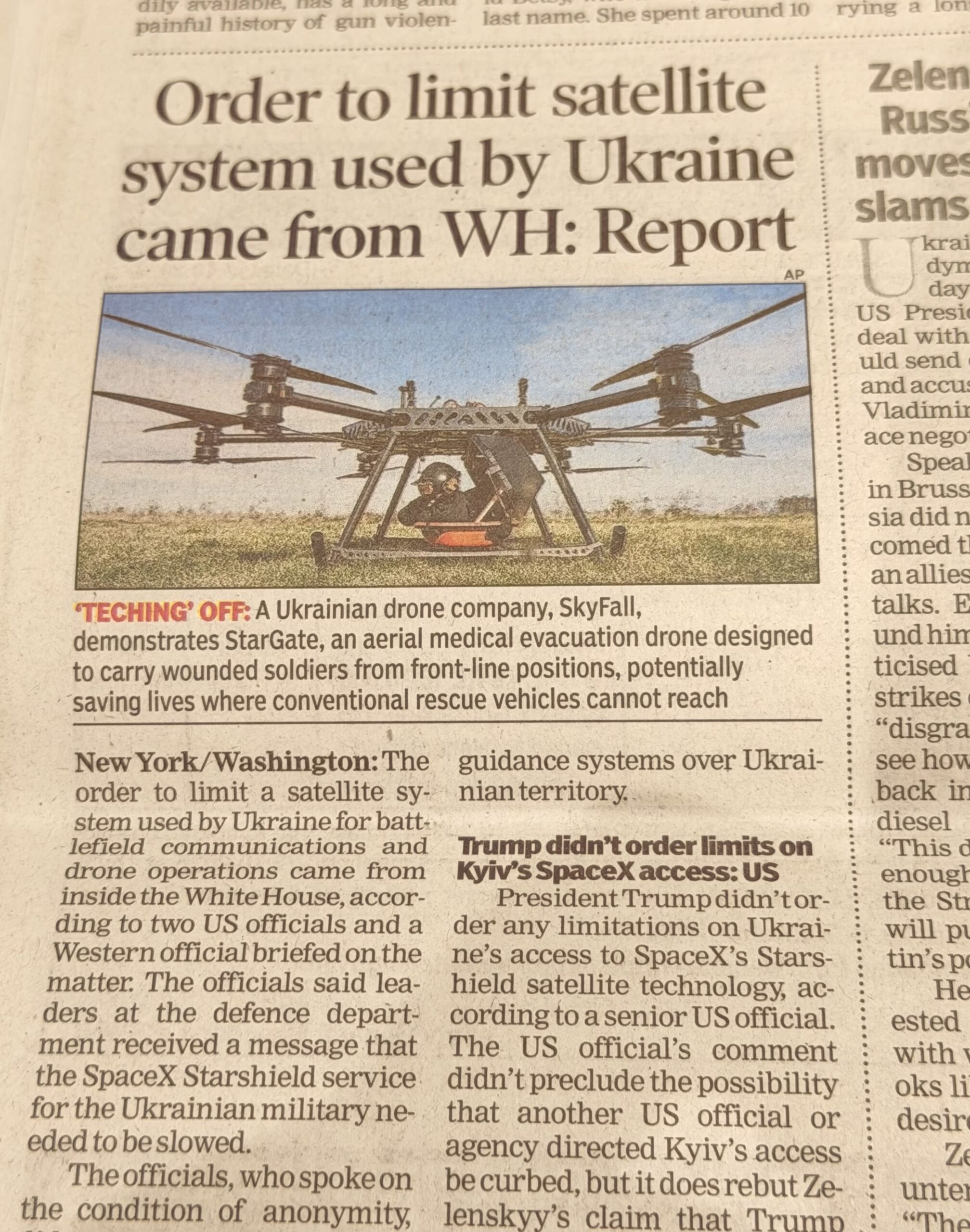
There was just a little writing about SpaceX Starshield, as you can see below, from Delhi Times:
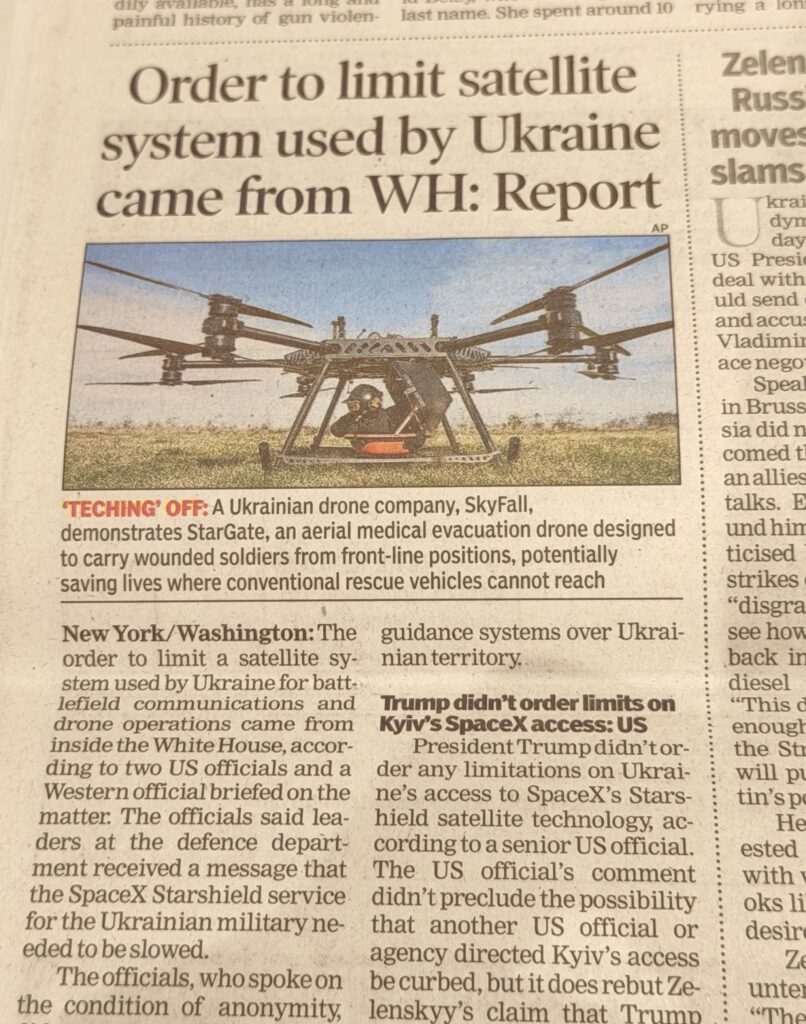
SpaceX Starshield -
Sri Lanka, Colombo 🇱🇰
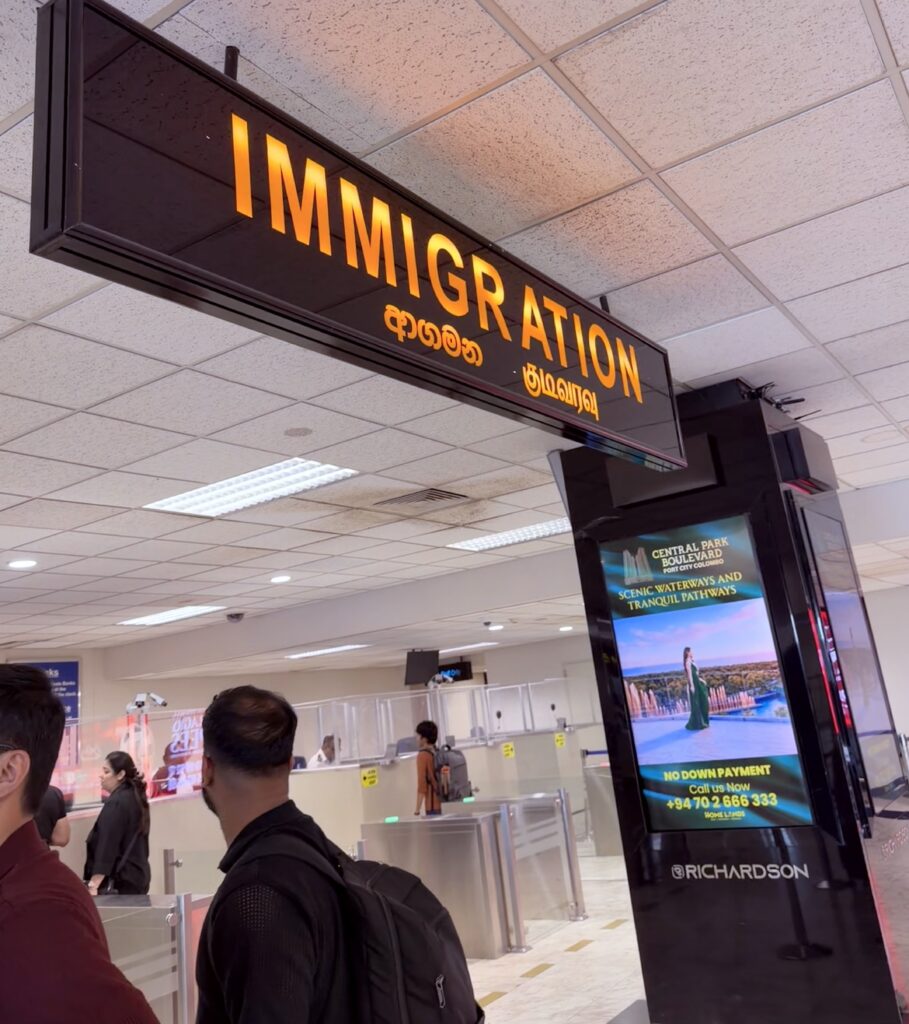
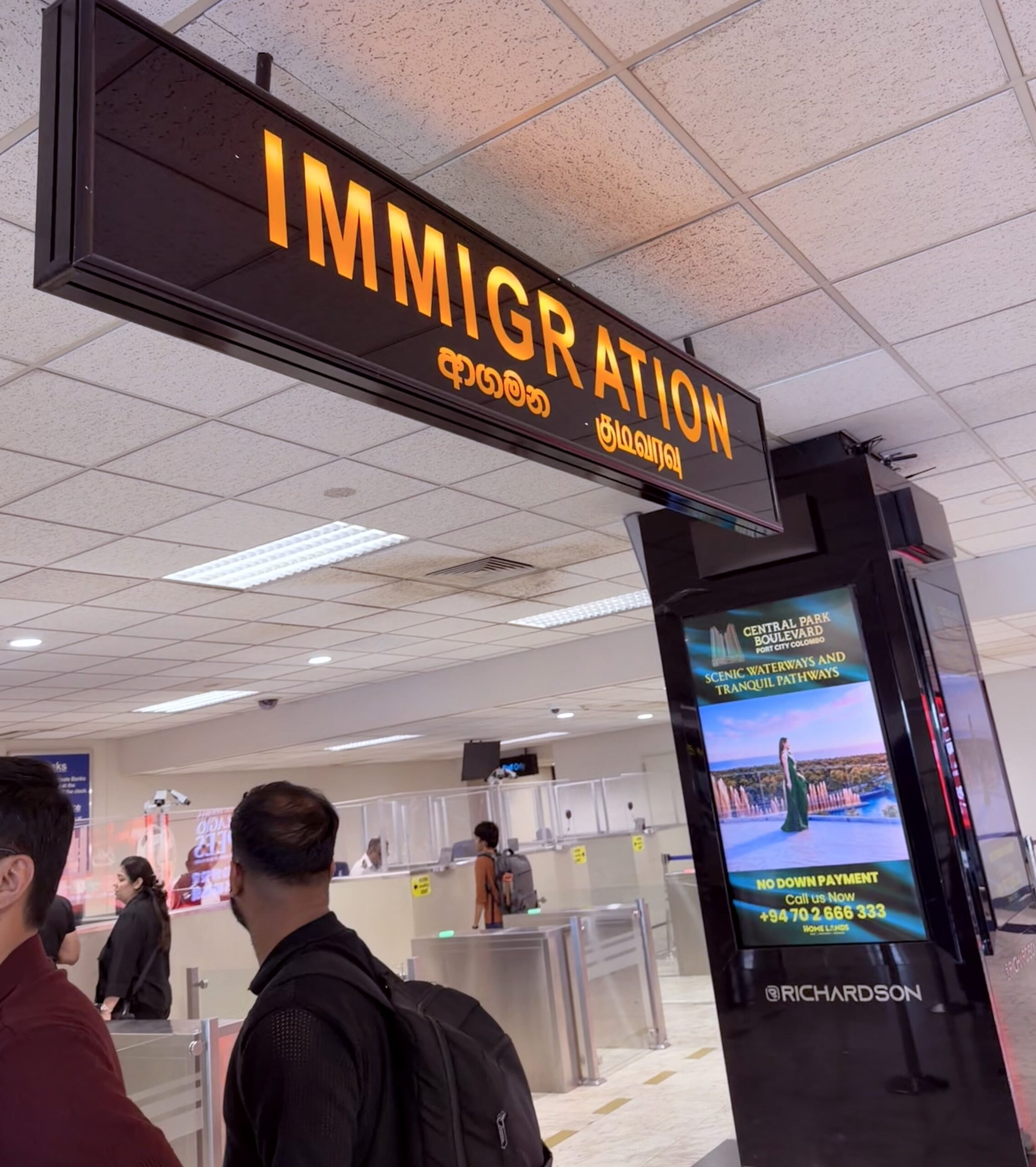
E-visa accepted in Sri Lanka My e-Visas have been accepted everywhere. Sometimes I was not sure whether they were fake websites when I applied. My friend Anu and her husband picked me up at the airport, and it was wonderful to meet them again. Last time I visited Sri Lanka, I made the tourist tour. This time is more chill. We’re going to the theater today.
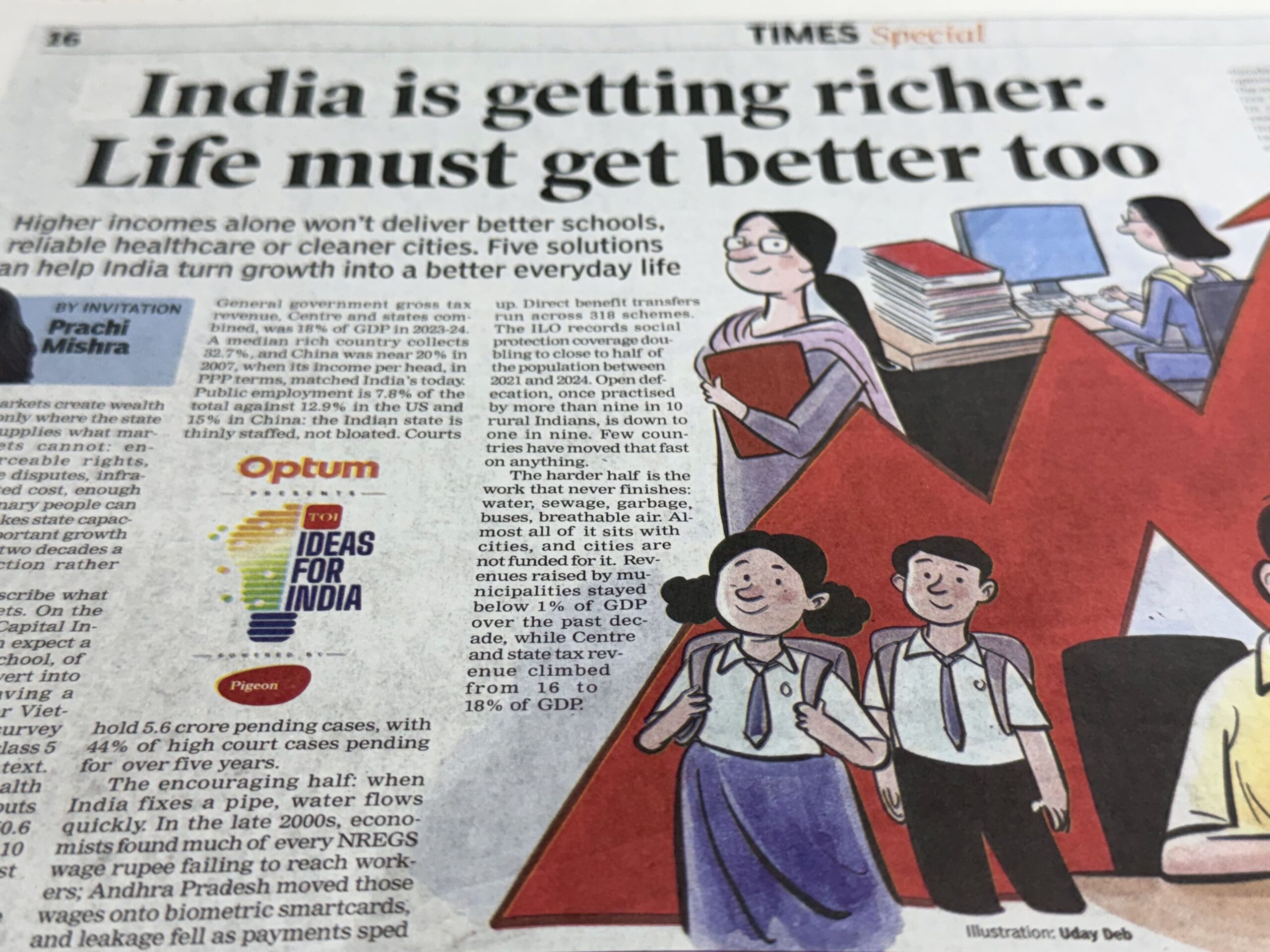
I have so many impressions, so I have a lot of writing to do. The world is developing rapidly, driven by IT. Electric cars are getting more common. People are aware of recycling, global warming, and water – in the middle of this, we have to focus on life itself. To emphasize happiness in everyday life. Similar to this Indian newspaper below.
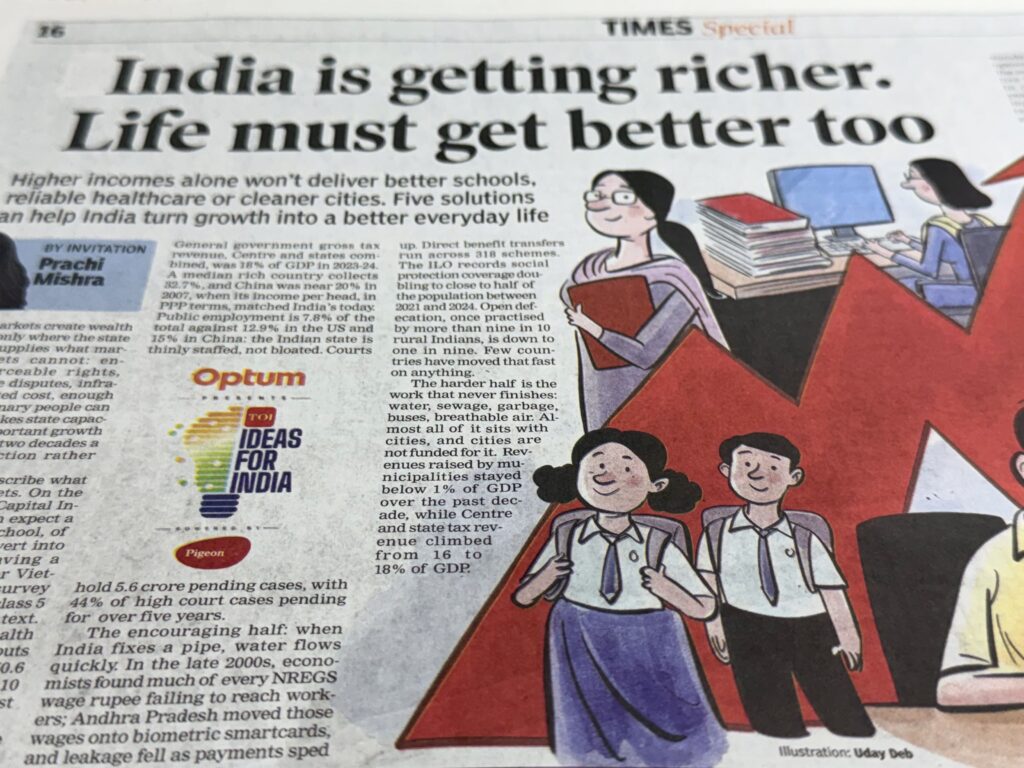
Global everyday life