

 Svenska
To move forward, I need to remember, analyze, and find a new direction. I enjoy a little uphill, which has always pushed me forward. New drugs in the pharmacological toolbox are always needed, and for that, basic research is needed. I have fond memories from the years in experimental pharmacological research. The fruitless and hard days are forgotten. Research is demanding, and a lot of time is spent in the laboratory.
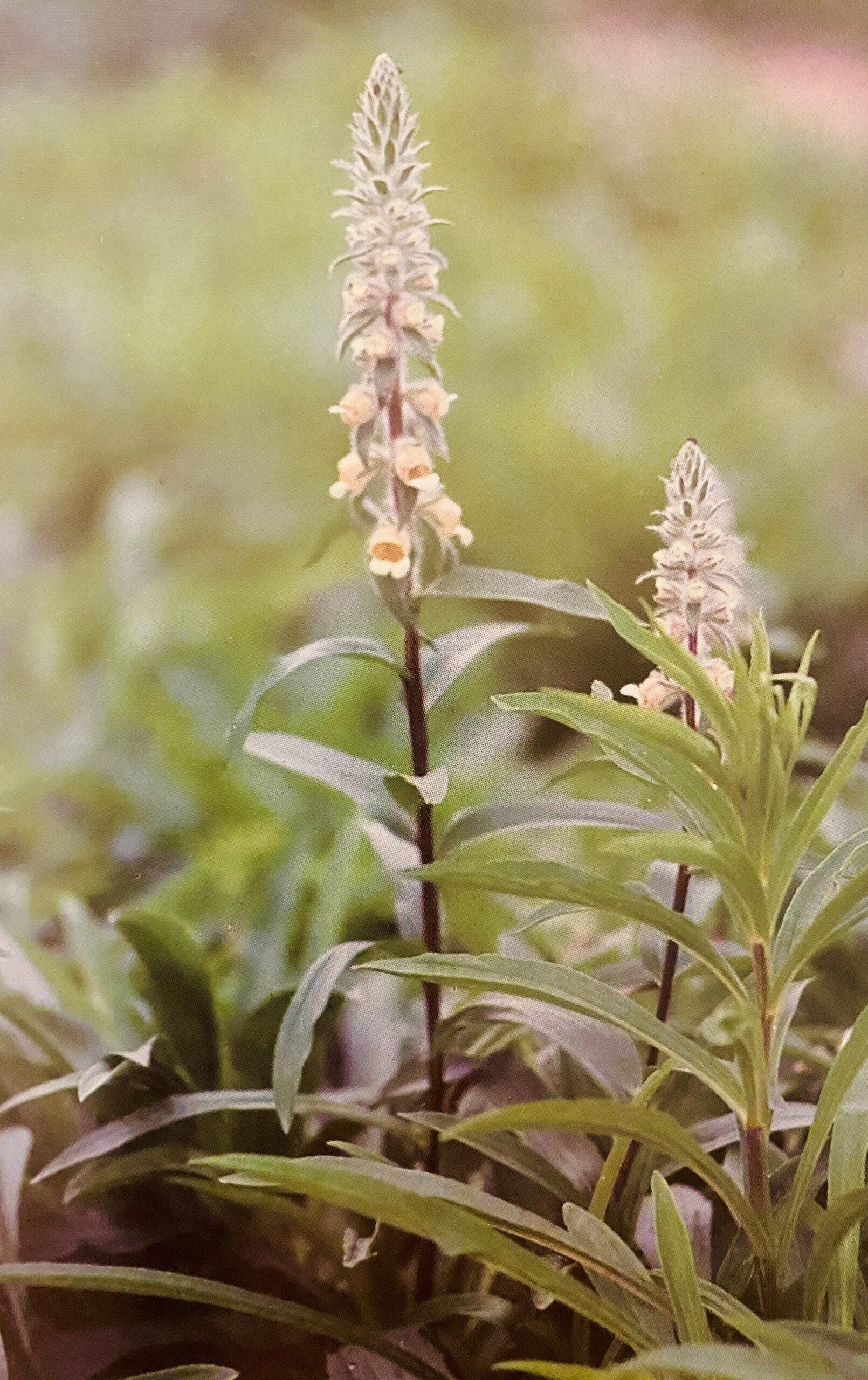
At Uppsala University, Professor Jarl Wikberg lectured in pharmacology and talked about digoxin’s pharmacokinetics and pharmacodynamics – the fate of a drug in the body (absorption, distribution, pharmacological effect, and elimination). The cardiac glycoside (see below) digoxin has a half-life of more than 24 hours, which is relatively long for a drug. Today, it is still in the clinic, and with a small blood test, you can adjust the dose to be correct. If you take too much, it becomes toxic; if you take too little, it has no effect. So to speak, a therapeutic window. I thought it sounded exciting that a plant can strengthen the heart’s ability to contract.
Professor Wikberg’s research group had cloned and sequenced the first G-protein-coupled melanocortin (MC) receptor in the rodent brain. It seemed very interesting, and I spent a semester in his department, where I was in the lab. Eventually, I got results that the MC-3 and MC-4 receptors had relatively distinct locations in the brain. The concrete results, which no one else had seen before, spurred me to search further. It was unique to discover what no one else in the world had seen before.
I finalized my pharmacy training with an internship in Gothenburg, and I was then lucky because I found a PhD program in Gothenburg. This research group, led by Professor Jörgen Engel, was internationally recognized and had a grant from the National Institute of Health (NIH) in the USA. I was able to devote myself to research in drug dependence.
Everyone at the Department of Pharmacology was talking about Professor Arvid Carlsson. He may have been mentioned at Uppsala University during the pharmacology course, but I don’t remember any of that. Of course, I wondered who this researcher was. At the very beginning of my studies, I was at a meeting at the Department of Pharmacology. I listened, and completely unprepared, I was asked what my research area would be.
English was spoken, and I quickly replied something about studying the importance of nicotine receptors in alcohol addiction. My supervisor immediately corrected me and added something about being in his “research group”. The old school could be felt in the walls. A little like the wooden desk with a lid that I had in elementary school, where school chalk gathered dust in the air. I got nervous because I was new to the department of pharmacology and, therefore, quickly looked down at my notes. This is my only meeting with this pioneer in neuropharmacology. Not only monoaminergic discoveries but also the presentation of chemical transmission in the central nervous system, to mention some.
I did not understand until later the importance that Professor Carlsson´s discoveries have had for the drugs that are available today in therapy areas such as the central nervous system, stomach, and cardiovascular system. He presented his ideas to various pharmaceutical companies, which resulted in drug therapies that are now in clinical practice worldwide. How could I have missed this during my years in Uppsala? I am reminded daily of his research work in my everyday work.
During my years as a doctoral student, I was fascinated by Goodman & Gilman’s pharmacology book. What is true today may be the opposite and/or unexpectedly new tomorrow. I read literature about different nicotine receptors and their functional significance. It is well known that alcohol intake is higher in those who use nicotine, and it is this observation that was the basis for further top-down analysis. The nicotinic acetylcholine receptor is an ion channel that phylogenetically is very old. How was I going to study at a cellular level, which nicotine receptors are important in the rewarding properties of alcohol? From behavior to cell.
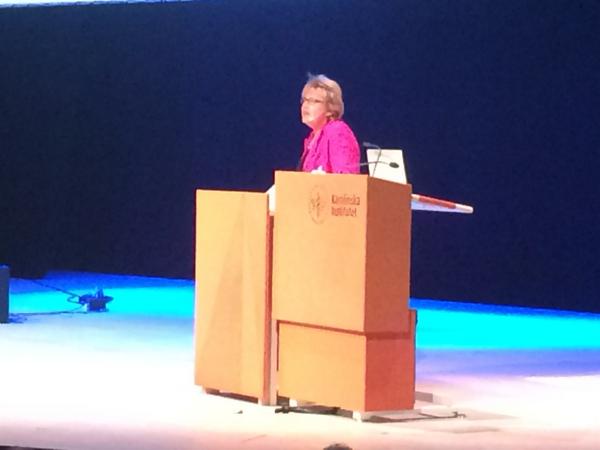
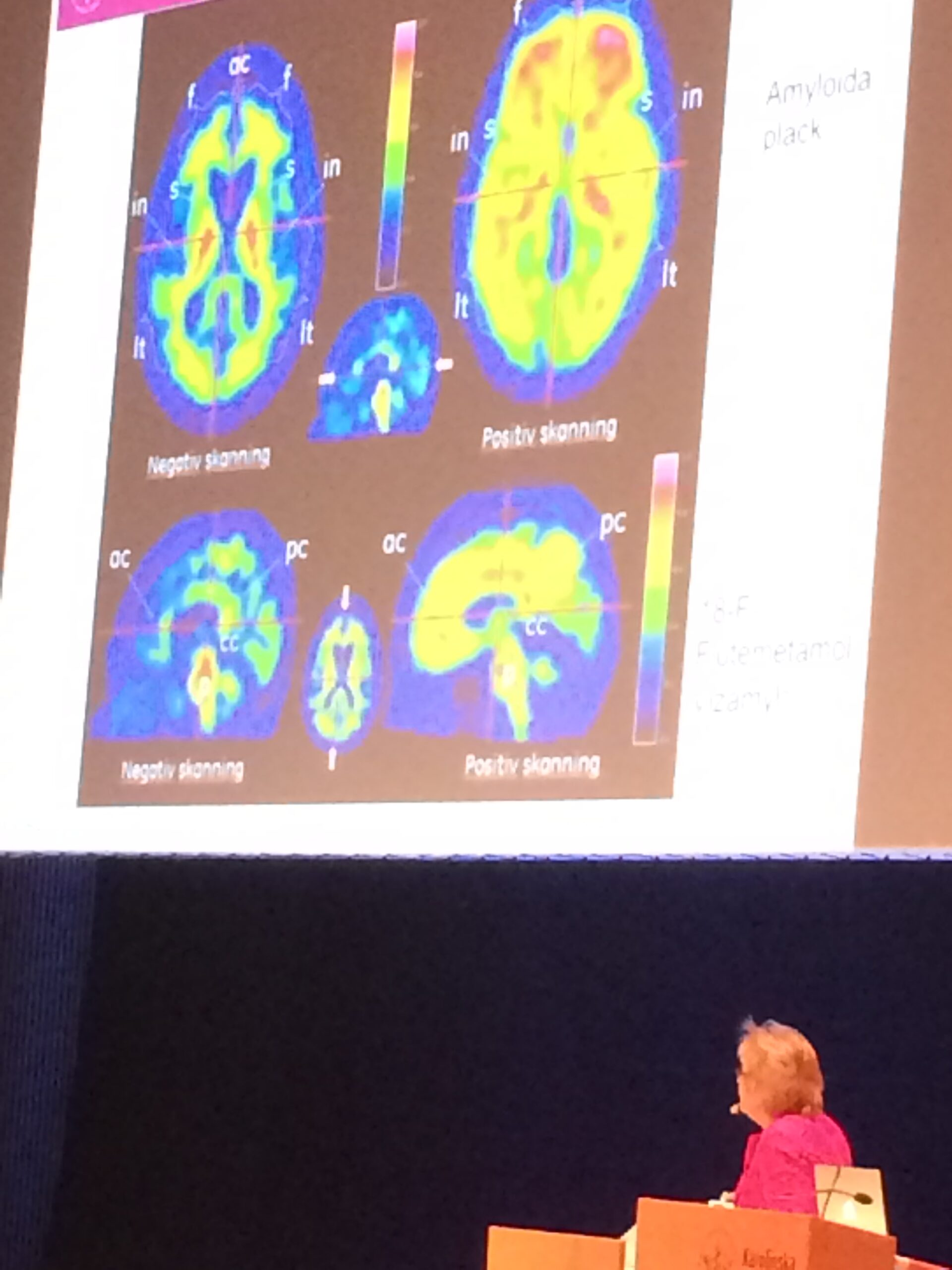
My opponent in Gothenburg 2004 was Professor Agneta Nordberg, with dual exams as both an MD and a pharmacist (see above). She devotes her life to understanding the underlying pathology by using imaging techniques to diagnose Alzheimer’s disease in its early stages. Acetylcholine-containing neurons deteriorate, which leads to memory difficulties. In the fall of 2014, I listened to one of her lectures at Karolinska Institutet in Stockholm. She uses brain imaging (PET-positron emission tomography) to diagnose Alzheimer’s disease (see below).
During the years I spent working in experimental pharmacology in Gothenburg, I followed research within genetics. Receptors had been cloned and sequenced. The importance of different genes for, for example, nicotine addiction in animal models was studied. From the first cell to moreover studying changes in, for example, behavior and other measurable parameters such as motor skills and biomarkers. My supervisor, Professor Engel, recommended a book about how Watson & Crick were able to make their great discovery in 1953, which I immediately read with great interest.
All the knowledge I gathered over the years resulted in my book ‘Generations’. Interestingly, it is now generally agreed that an Arctic-occurring mutation can lead to an aggressive form of Alzheimer’s disease. It is relatively unusual for a mutation to lead to disease so clearly. Today, an antibody has been found that can slow the progression of Alzheimer’s disease. It is well-known that early intervention is important in slowing the progression of the disease.
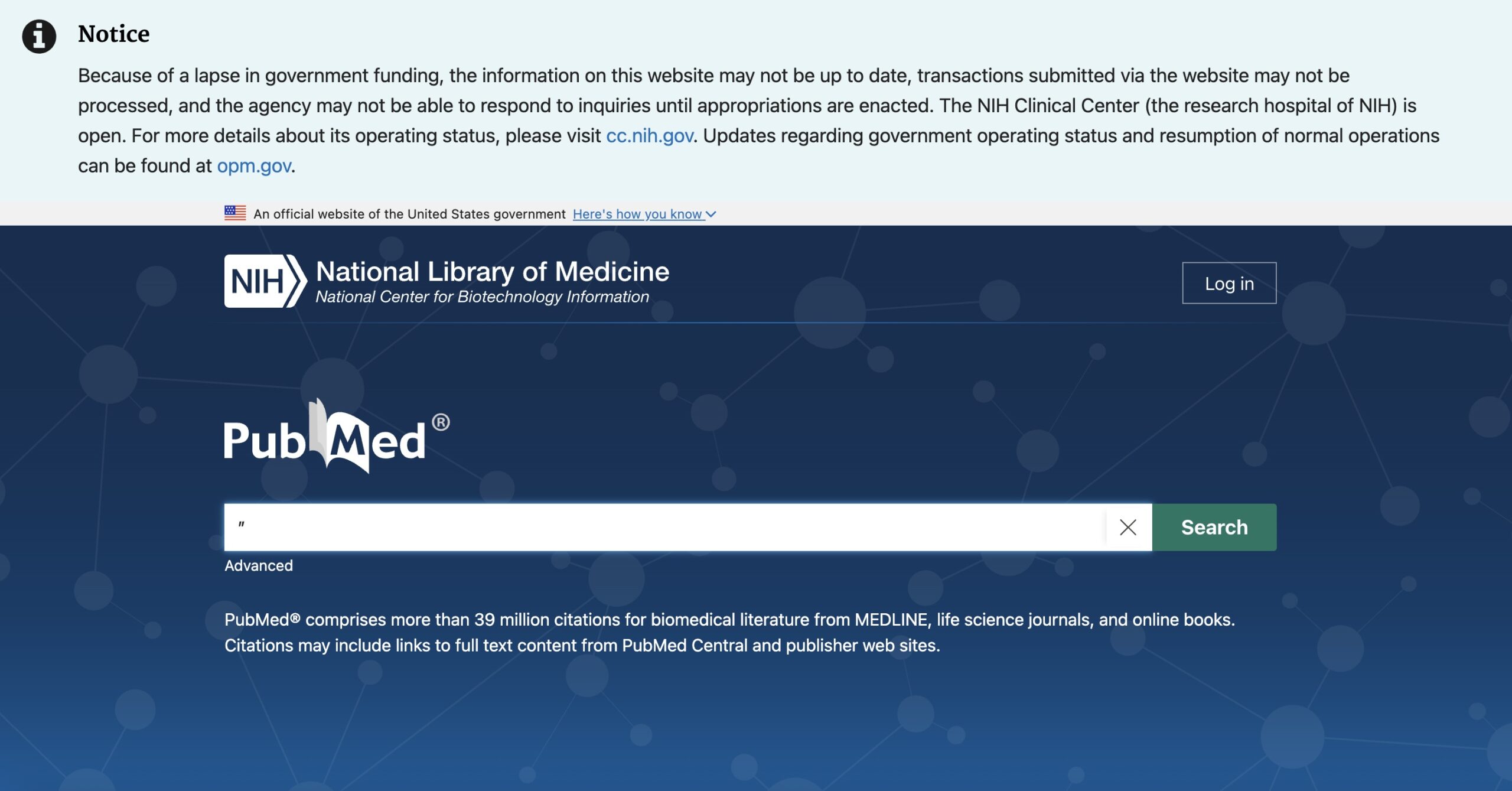
The ability to search for literature is extremely fundamental. One of the early goals of my diary was to work for freedom on the internet. Internet freedom has now ceased in Iran. A month or so ago, I was unable to search for literature as usual (see below). President Trump had cut research funding in the USA. However, at the time of writing, everything seems to have returned to normal!
The book ‘Generations’ was a challenge to write, where I was constantly looking for words and synonyms to describe everything from the smallest molecule to function with a vocabulary that I questioned many times. I am happy to be able to write. In the coming years, my challenge is to describe the interplay of genes with surrounding environmental factors, such as relationships between people, using only the humanities. As usual, it will take many years. Hope you will continue to follow this!
-
-
- Biology (On cholinergic mechanisms involved in ethanol reinforcement) 2004
- Biology + Humanities (Generationer + Tid för Frihet)) 2018
- Humanities ( ) ????
-