
 Svenska
When I wrote my previous book “Generations”, I had read a lot of literature and up-to-date in biology in many areas, not just neuroscience. My knowledge in science was combined with my humanistic interest. When I finished my thesis in 2004, I needed a few years to gain perspective. I have experienced the same when I finished “Generations” in 2018.
Today, there are a few diseases where you find specific mutations associated with the disease. Alzheimer’s disease (An overview of the genes and biomarkers in Alzheimer’s disease) and also breast cancer (Understanding genetic variations associated with familial breast cancer) are examples where underlying mutations have been identified that are linked to the development of the disease. This is a complex area where interaction with environmental factors also plays a role. The theme of my next book is therefore epigenetics.
Here, I thought, artificial intelligence (AI) must play a major role in understanding the interaction of genes with environmental factors. After mail correspondence with Dr Lidströmer, a prominent medical doctor and researcher in AI, I realized that we have already come a long way (see eg https://link.springer.com/referencework/10.1007/978-3-030-64573-1#overview Thanks for new inspiration. With this insight, I understood that my future book will entirely be a novel.
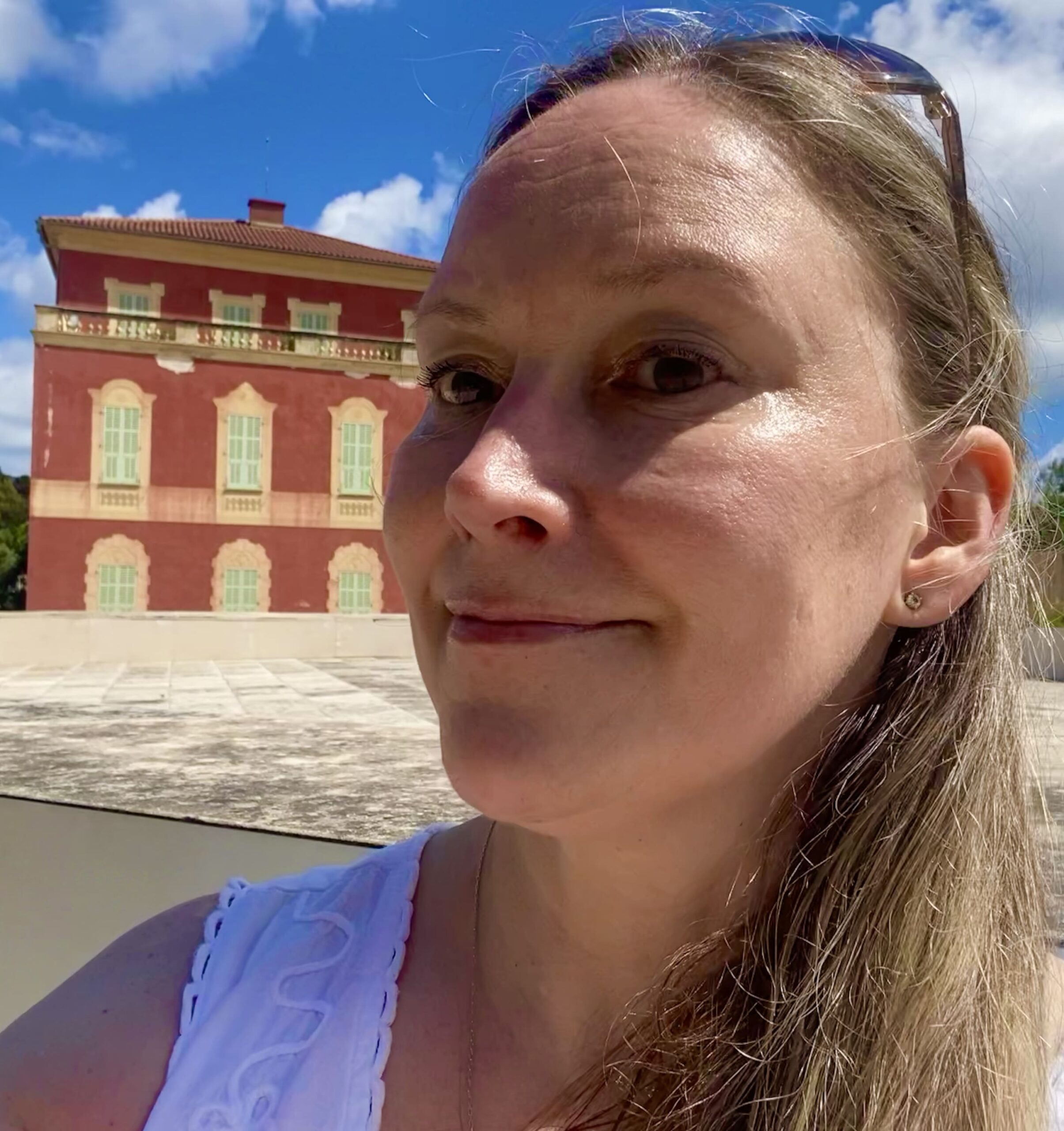
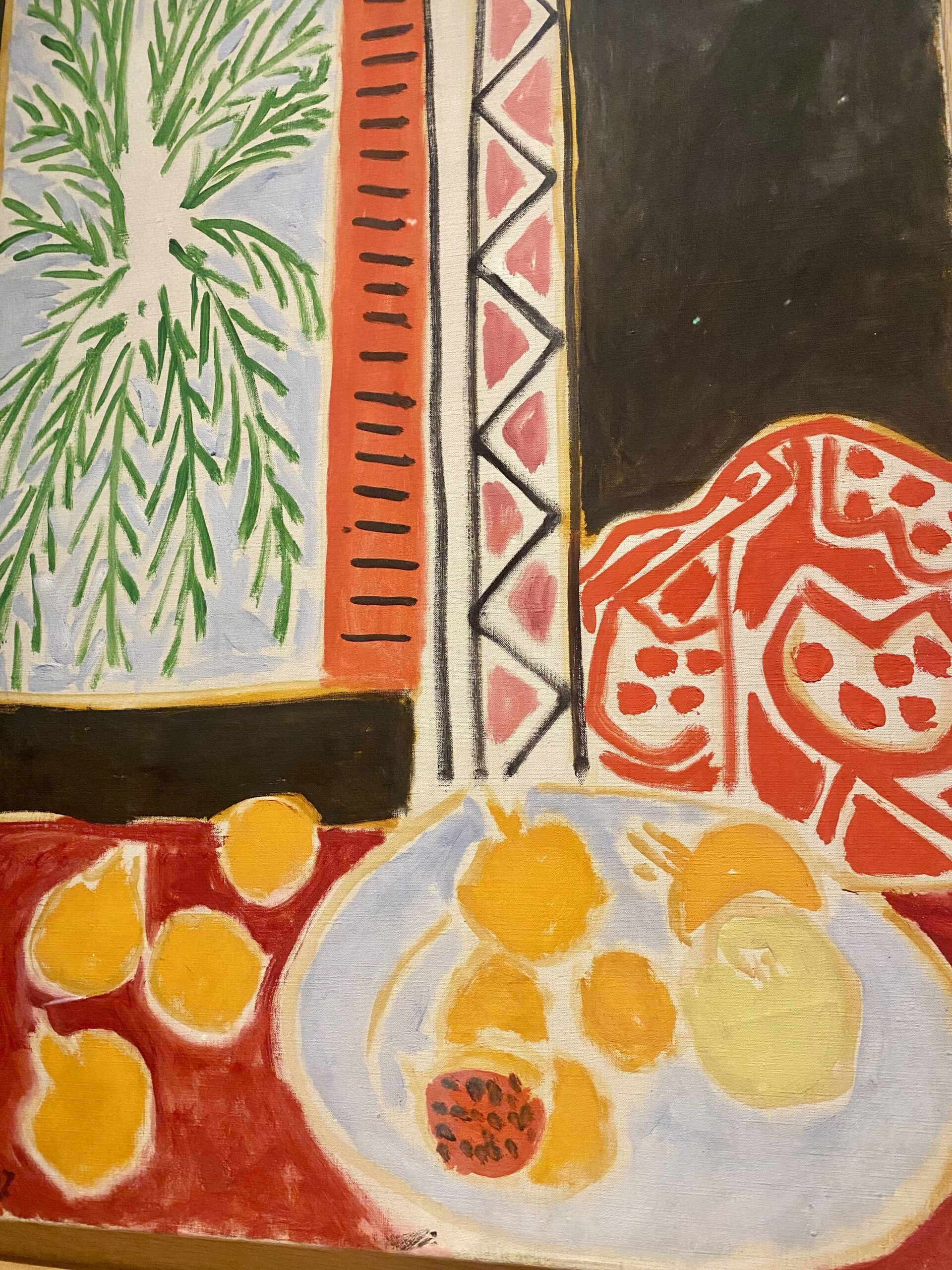
It also made sense when I visited the Henri Matisse exhibition in Nice, France. Everything fell into place. I was reminded of Aristotle (4th century BCE), whose ideas later were expanded upon by the English philosopher John Locke in the 1700s. Locke believed that one is born as a blank slate, a tabula rasa. Human common sense is empty when one is born but is filled through experience and knowledge, among other things.
In the 17th century, people had little or no knowledge about genes. Perhaps they understood that diseases could be inherited within families. At least in the 19th century, it was understood that hemophilia could be inherited because it was spread within the royal houses of Europe (see eg https://en.wikipedia.org/wiki/Haemophilia_in_European_royalty). Today, we know that there is a hereditary component in Alzheimer’s disease and breast cancer. Average life expectancy has increased dramatically, which has certainly affected epidemiology.
To return to AI, it will certainly help processing the large amount of information about genes and mutations that we have today. Interestingly, questions also arise about what is human because a computer can be trained to solve a task through machine learning. A computer is in a sense a blank slate but can be can be trained over time.
Well, I still write everything myself. There will probably be some reading in philosophy for me after delving into my own memory. It is difficult not to write something that someone else has already written. Painters Matisse, Chagall and Picasso have given me new impressions and led me on a new path.
I feel grateful that I can still write and want to write.